
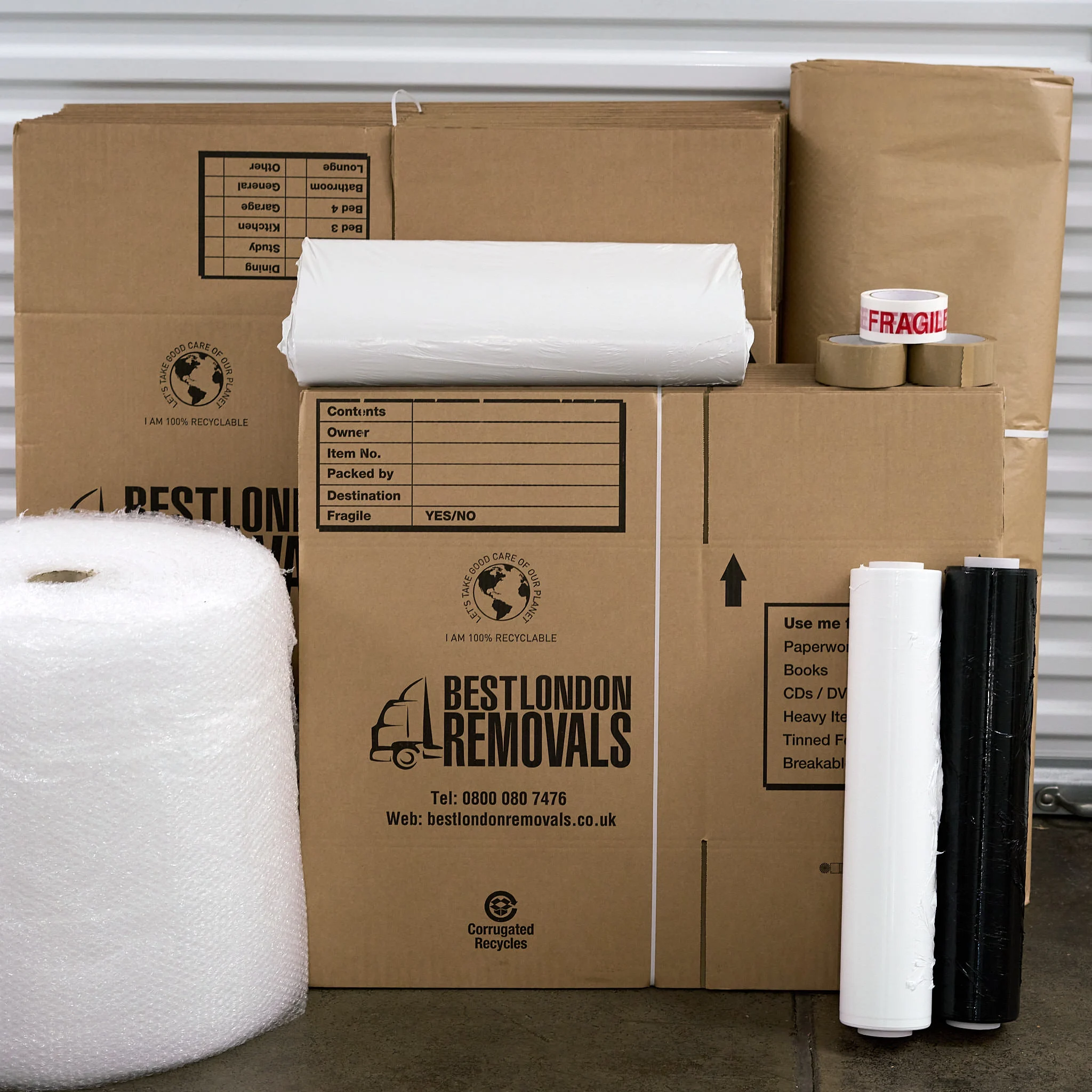
Packing materials - small and large boxes, bubble-wrap, packing paper and packing tapy

Packing materials for a house move: what you need and how to use them

A practical guide to choosing the right packing materials for your move. Covers boxes, bubble wrap, tape, furniture protection, and labelling — with tips from a professional London removals company
5 min read
October 5, 2023
Updated on June 3, 2026

Good packing makes moving day easier at every stage. The right materials protect your belongings in transit, make loading and unloading faster, and mean less scrambling when you are unpacking at the other end. The wrong materials, or not enough of them, tend to show up as damage, delays, or boxes that collapse under their own weight.

This guide covers the main packing materials used in a professional house move and explains how to get the most out of each one.

Cardboard boxes
Boxes are the foundation of almost every move. Getting the right type and size for each category of item makes a significant difference to how safely and efficiently things pack.

Packing materials - small and large boxes, bubble-wrap, packing paper and packing tapy

Small boxes

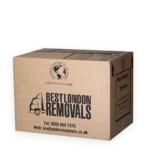
Small boxes are best for heavy items: books, crockery, tins, tools, and anything dense. A smaller box limits how much can go in, which keeps the weight manageable and reduces the chance of the base giving way. These are the boxes that get lifted most often, so it is worth keeping them easy to carry.

Best London Removals branded small moving box

Large boxes

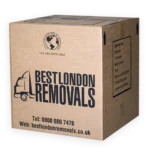
Large boxes work well for light, bulky items such as bedding, towels, cushions, and clothing. The rule is simple: heavy items in small boxes, light items in large ones. Reversing that tends to create boxes that are either too heavy to lift safely or too fragile to stack.


Best London Removals branded large moving box

Double-walled boxes

Wherever possible, use double-walled (also called double-corrugated) boxes rather than single-walled ones. They are noticeably stronger, hold their shape under pressure, and are far less likely to buckle when stacked in a van. For anything fragile or valuable, double-walled boxes are worth the small extra cost.
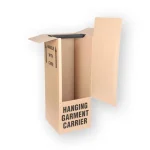
Wardrobe boxes

Wardrobe boxes have a built-in hanging rail so clothes can be transferred directly from the wardrobe onto hangers inside the box. They arrive at the new property ready to hang, with no folding, creasing, or ironing required. For anyone with a lot of hanging clothes, they save a considerable amount of time at both ends.

wardrobe moving box with rail

Boxes with dividers

For glassware, wine bottles, or crockery, boxes with internal cardboard dividers keep each item separated and prevent them from knocking together in transit. For large screens and monitors, dedicated screen boxes with foam inserts offer protection that blankets and general padding cannot match.

Plastic crates

Plastic crates are a practical alternative to cardboard, particularly for items coming from a shed, garage, or outdoor space. They are waterproof, which matters when packing anything that may be damp, and they are reusable, which makes them a better option for anyone who moves regularly or wants to avoid waste. Their transparency also makes it easy to find items during unpacking without opening everything.

Bubble wrap and packing paper

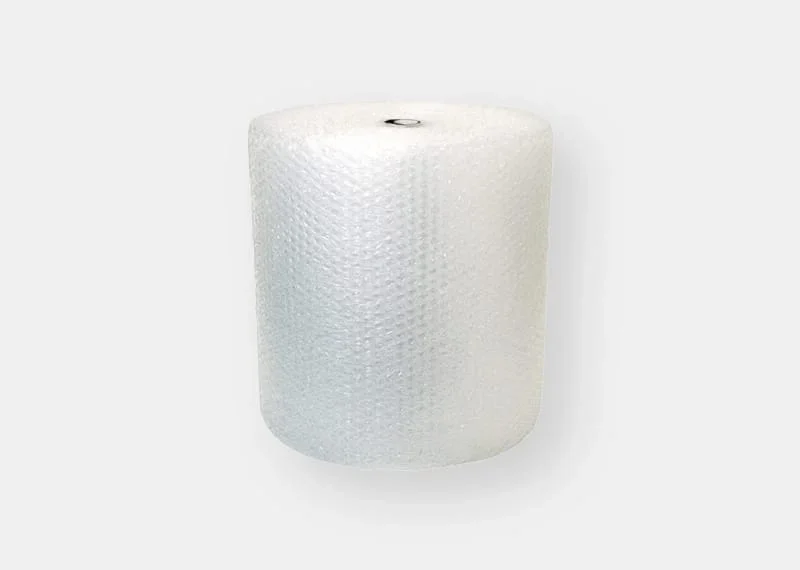
Bubble wrap and packing paper are the primary protection for anything that can crack, chip, or break. Used properly, they prevent damage by cushioning items individually and filling the gaps inside boxes so nothing shifts in transit.
Wrap each fragile item separately, even small ones. Glasses, plates, ceramics, vases, picture frames, and electronics all need individual wrapping rather than being grouped together with padding. Once items are in the box, fill any remaining space with crumpled packing paper so nothing can move. A box that rattles when shaken will be damaged when opened.
Mark every box containing fragile items clearly on the top and at least two sides. Labels on one side only become invisible as soon as boxes are stacked.

General purpose bubble wrap, made from small bubbles.

Packing tape

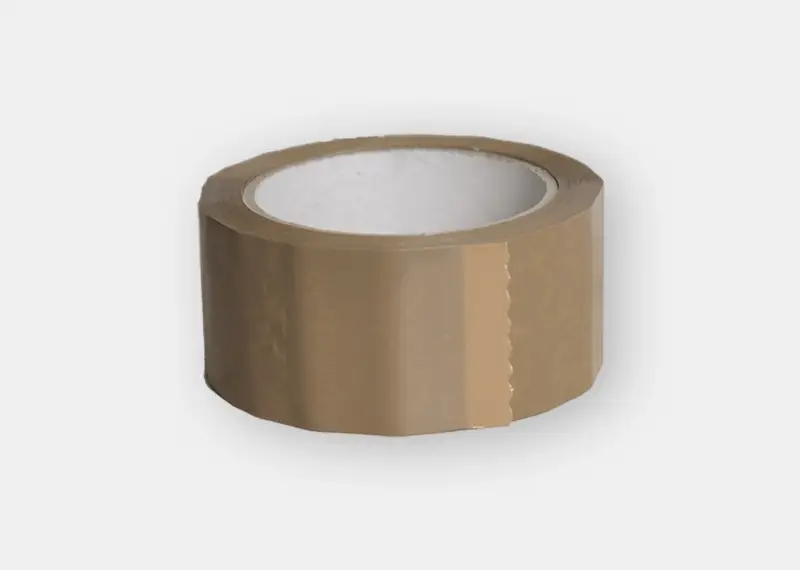
Cheap tape is a false economy. It peels away under tension, fails in warm conditions, and often requires re-doing mid-move. Good quality packing tape holds securely throughout loading, transit, and unloading.
A tape gun or dispenser speeds up the sealing process considerably and reduces waste. Reinforce the base of every box with two or more strips before filling it, and seal the top with the same care. Heavier boxes in particular should have the bottom edges taped, not just the centre seam.

Brown packing tape

Foam padding and packing peanuts

Foam padding and packing peanuts provide a second layer of protection for particularly delicate or valuable items, such as crystal, antiques, collectables, or sensitive electronics. They fill corners and irregular spaces that bubble wrap cannot easily reach, and they absorb impact during transit.

Used alongside strong boxes and bubble wrap, they give layered protection for items where damage would be difficult or impossible to put right.

china-packing

Furniture covers and moving blankets

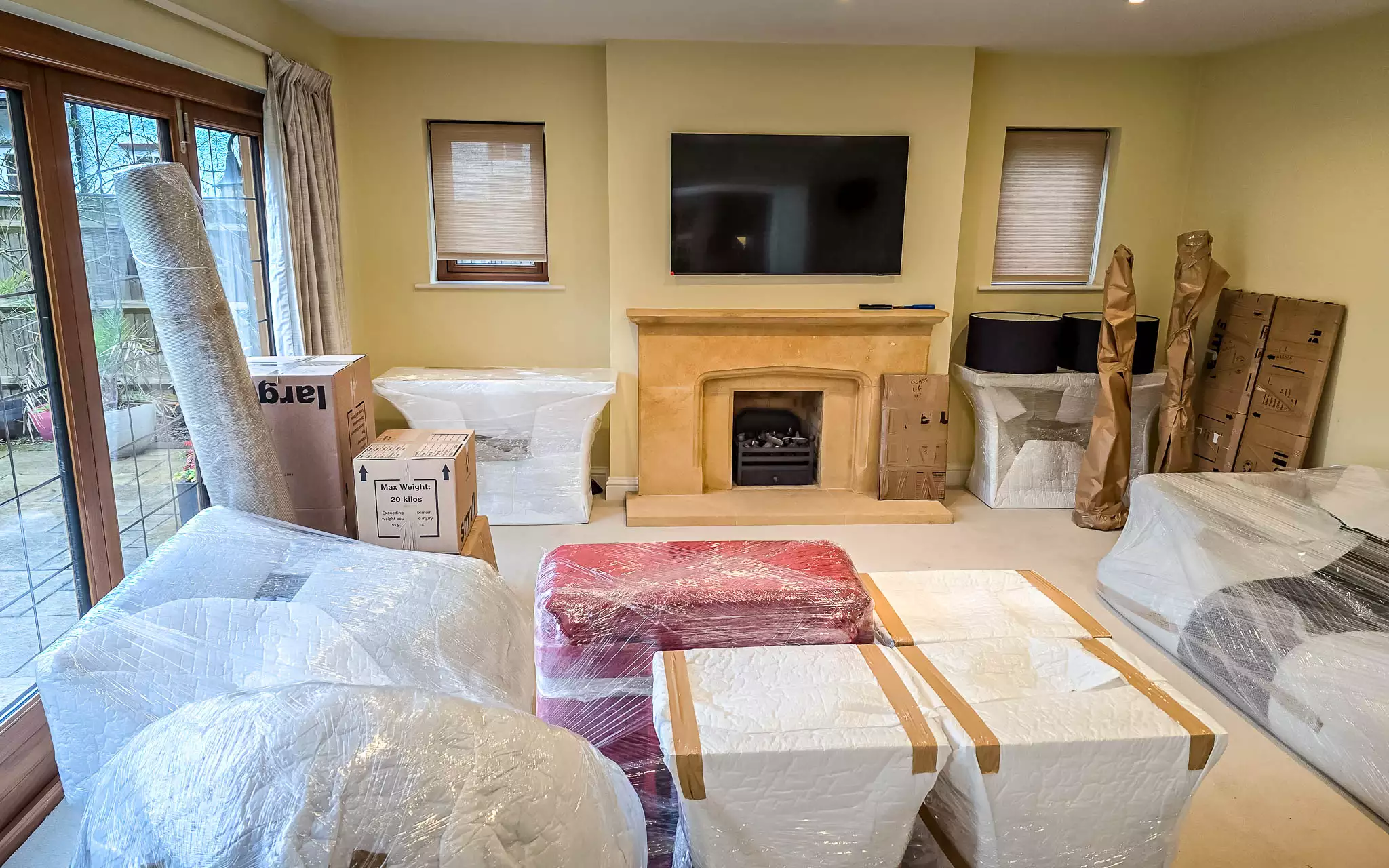
Sofas, mattresses, dining tables, dressers, and other large pieces need protection during a move, particularly when being carried through tight doorways, stairwells, and shared corridors. Stretch wrap is effective for upholstered furniture, keeping fabric clean and protected. Mattress covers prevent scuffs, stains, and moisture during the move. Moving blankets cushion hard surfaces against knocks and scrapes.

Covers and blankets should be fixed securely in place before loading. A cover that shifts during the carry offers less protection and can catch on doorframes or bannisters.

Furniture packed with Furni-Soft padding and stretch wrap in a residential living room.

Labelling: a small step that makes unpacking much easier
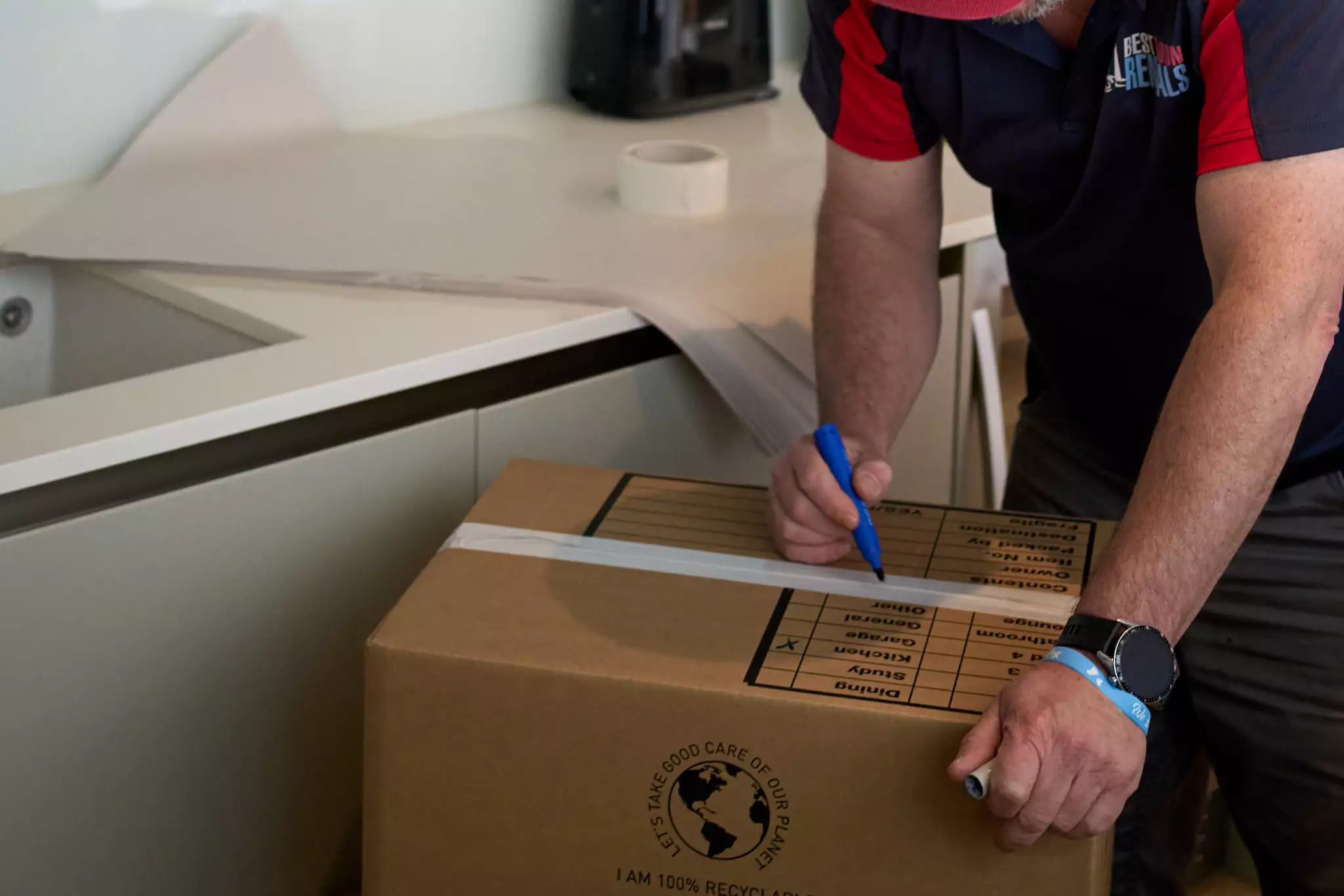
Good labelling is one of the simplest ways to reduce unpacking time. Movers can place boxes directly in the right rooms, and you can find priority items without having to open everything.

Label each box once it is fully packed and sealed, not before. Write clearly on the top and at least two sides so the label is visible regardless of how the box is stacked. Include the destination room, a brief note of the main contents, and any handling instructions such as “fragile” or “this way up”.

Labeling boxes when moving house

A colour-coding system works well for larger moves. Assign a colour to each room, apply coloured tape or stickers to the corresponding boxes, and put a matching colour marker on each room door in the new property. Movers can then place boxes without needing to ask or read individual labels.

Mark the boxes you will need first, including toiletries, bedding, a kettle, and important documents, clearly as “open first” or “essentials”. These should be loaded last, so they come off the van first.

If you are reusing boxes from a previous move, cover or remove any old labels before adding new ones. Old markings cause more confusion than most people expect.

A note on quantity

It is almost always better to have slightly more packing materials than you think you need. Running out of bubble wrap mid-pack, or finding the boxes you ordered are not enough, adds unnecessary pressure on a day that already has a fixed deadline. Order a little extra and return or store what you do not use.

For guidance on the full packing service or to order packing materials directly, contact Best London Removals. If you are unsure what quantities you need, the team can advise based on the size and type of your move.

Best London Removals Ltd carries out home, flat, and office removals across all London boroughs, with surveys, fixed-price quotations, and access planning included as standard. Smaller jobs are available as man and van hourly bookings, where the team advises a realistic time estimate based on the scope of the work.

Table of Contents

Latest from the blog

This website uses cookies

We use cookies to personalize content, provide social media features, and analyze our traffic. We also share information about your use of our site with our analytics partners. You can change your preferences at any time. For more information, please see our Privacy Policy and Cookie Policy. Privacy Policy Cookie Policy