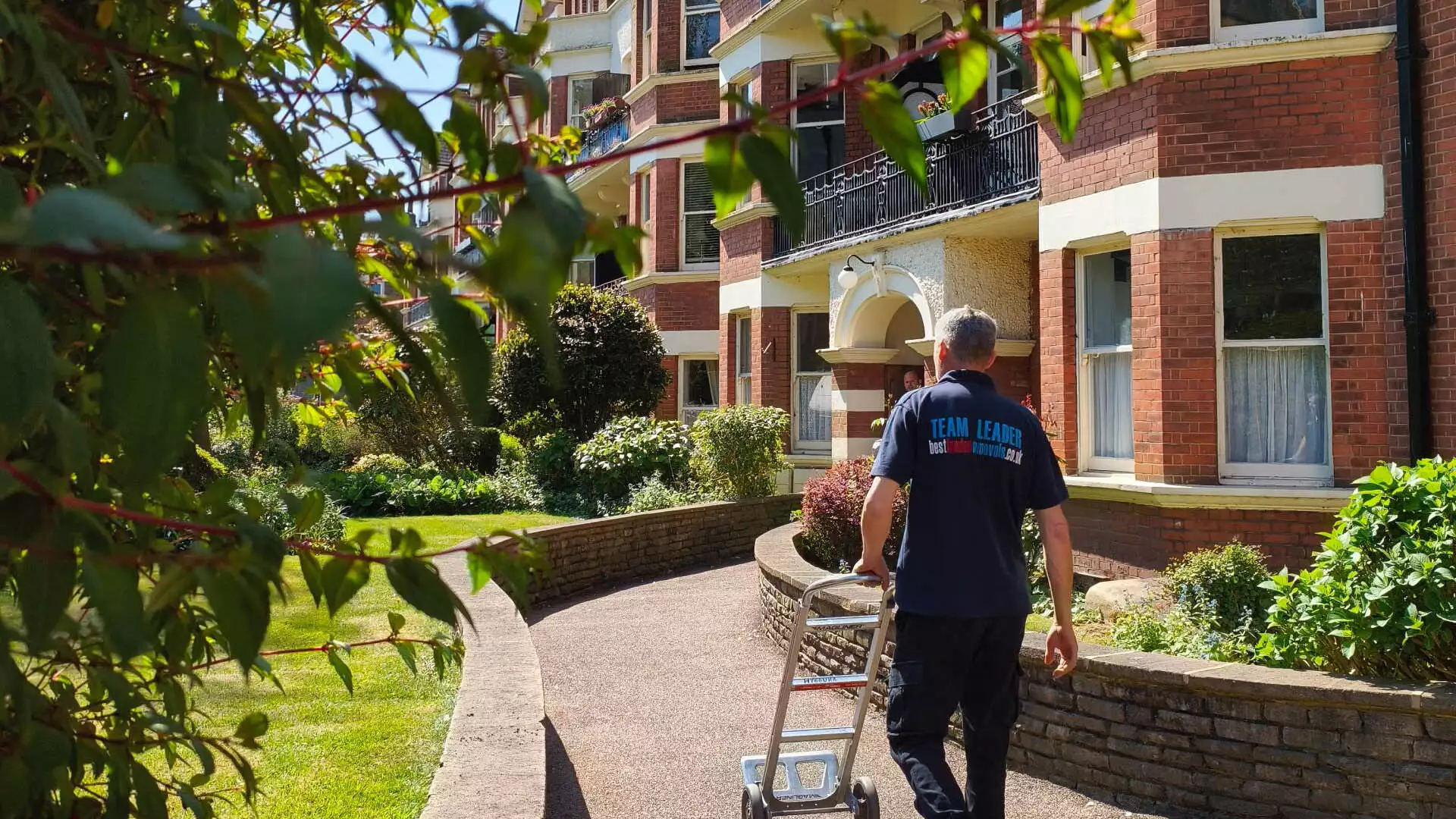


Most moves that go wrong on the day were not properly prepared in the days leading up to it. A van arrives on time, a crew is ready to load, and then something stops the job before it starts. The keys are not confirmed. There is no parking close to the property. Boxes are still being taped up in the kitchen. Someone realises a wardrobe will not fit through the new doorway.
None of those problems is unusual. All of them are avoidable with the right preparation.
This guide covers what to do in the weeks before the move, in the final days, and on the morning itself — with specific notes for anyone moving in London, where access and logistics often need more planning than the move itself.
Several weeks before moving day
The earlier certain things are handled, the fewer problems surface later. These are the decisions and arrangements that take the most time.
Book the removal company and confirm the scope
Start decluttering
Measure furniture and doorways
Check that large pieces will fit through doorways, hallways, and staircases at the new property. This matters most for sofas, wardrobes, dining tables, and beds. A piece that entered a home years ago may not come out the same way if the fittings, carpets, or bannisters have changed since then.
If anything needs to be dismantled before the move, confirm whether the removal crew will handle it or if it needs to be done in advance.
Arrange parking and building access
The week before moving day
By this point the big decisions should be made. The week before is about working through the practical tasks.


Pack non-essentials first
Notify utility providers and contacts
Set cancellation or transfer dates for electricity, gas, water, and broadband. The usual advice is to arrange disconnection for the day after the move rather than the day itself, to avoid losing access mid-move.
Update your address with the council and electoral roll, GP and dentist, banks and insurance providers, HMRC and your employer, and any subscription services or regular deliveries.
Confirm all moving day details in writing
Contact the removal company to confirm the start time, which address they are collecting from, any access arrangements, and a contact number for the day itself. If parking suspensions or lift slots have been arranged, check that they are still in place.
The day before moving day
Most of the packing should be done by this point. The day before is for finishing, checking, and preparing.
Seal and label the remaining boxes. Defrost the fridge and freezer if they are coming with you, and make sure they are fully dry before the move. Dismantle any furniture that needs it and keep all fixings, screws, and small parts together in a clearly labelled bag taped to the piece they belong to.
Separate items that will travel in your own car rather than the van: valuables, documents, medication, keys, and anything you will need immediately on arrival. Keep these together in one place so nothing gets accidentally loaded into the van.
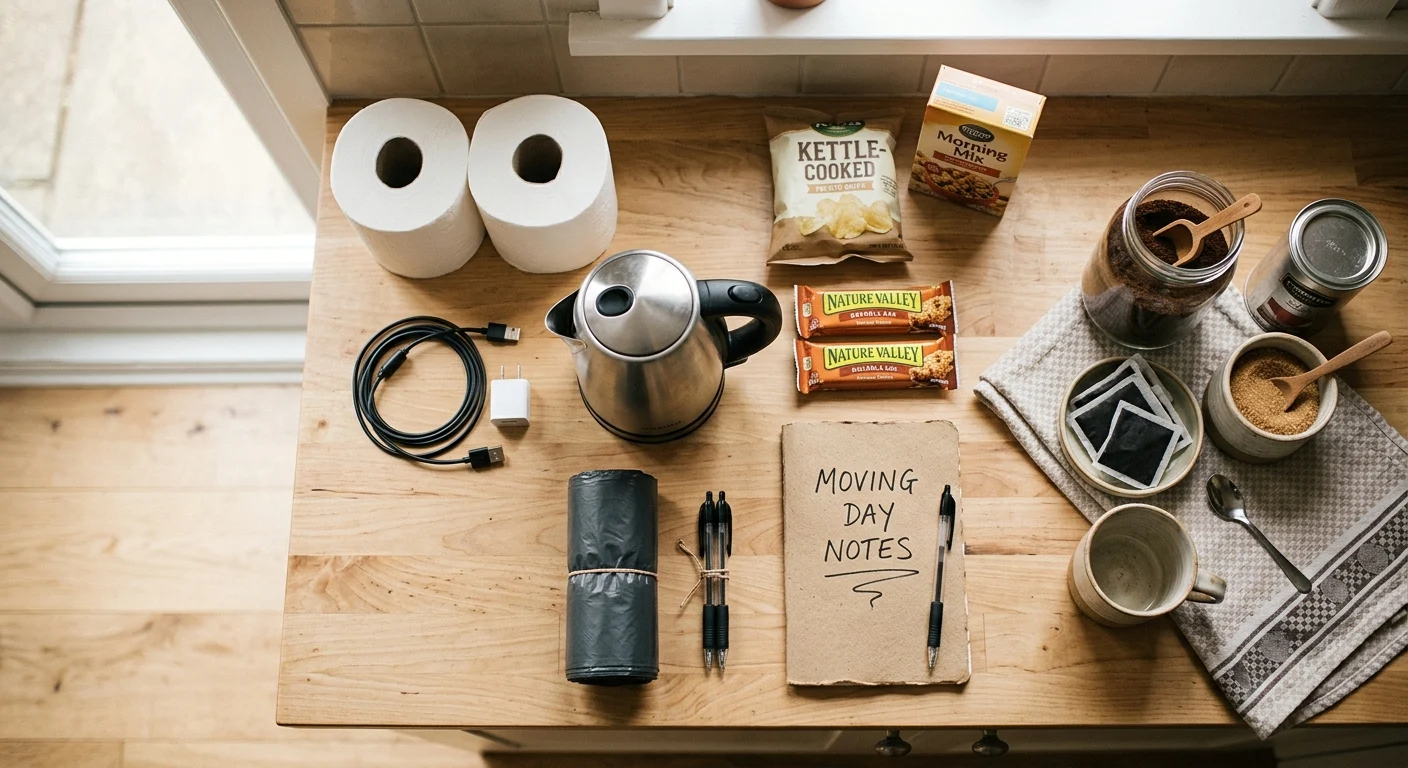
Pack an essentials bag for the first night. Include toiletries, phone chargers, a change of clothes, any medication, tea and coffee making equipment, and important documents. Moving day is long, and the last thing you need is to search through a van full of boxes for a phone charger at ten in the evening.
Check that keys will be available at the right time for both addresses, and that anyone else involved in the day, such as a landlord, estate agent, or building concierge, knows what is happening and when.

On moving day
Clear pathways through the property before the crew arrives. Move any remaining obstacles from corridors, staircases, and doorways so loading can start without delay. If possible, stack boxes near the front door in the order they should be loaded.
Have one person available to direct the crew and answer questions throughout. In larger properties or buildings with specific access requirements, this reduces confusion and keeps the job moving at the right pace.
If the property has neighbours who share an entrance or communal areas, it is worth letting them know in advance if the move may cause temporary disruption to parking or access.
Walk through the property before leaving. Check built-in cupboards, loft hatches, the attic, under beds, and the garage or shed. Items left behind after a move are more common than most people expect.
At the new property, be ready to direct the crew where each item and box should go. Clear labels and a simple floor plan, even a rough sketch, help the team place things in the right rooms without repeated interruption
Practical rule: the preparation done before moving day determines how smoothly moving day runs. Most delays are avoidable. Most damage is avoidable. Most cost overruns are avoidable. The difference is almost always in the planning.