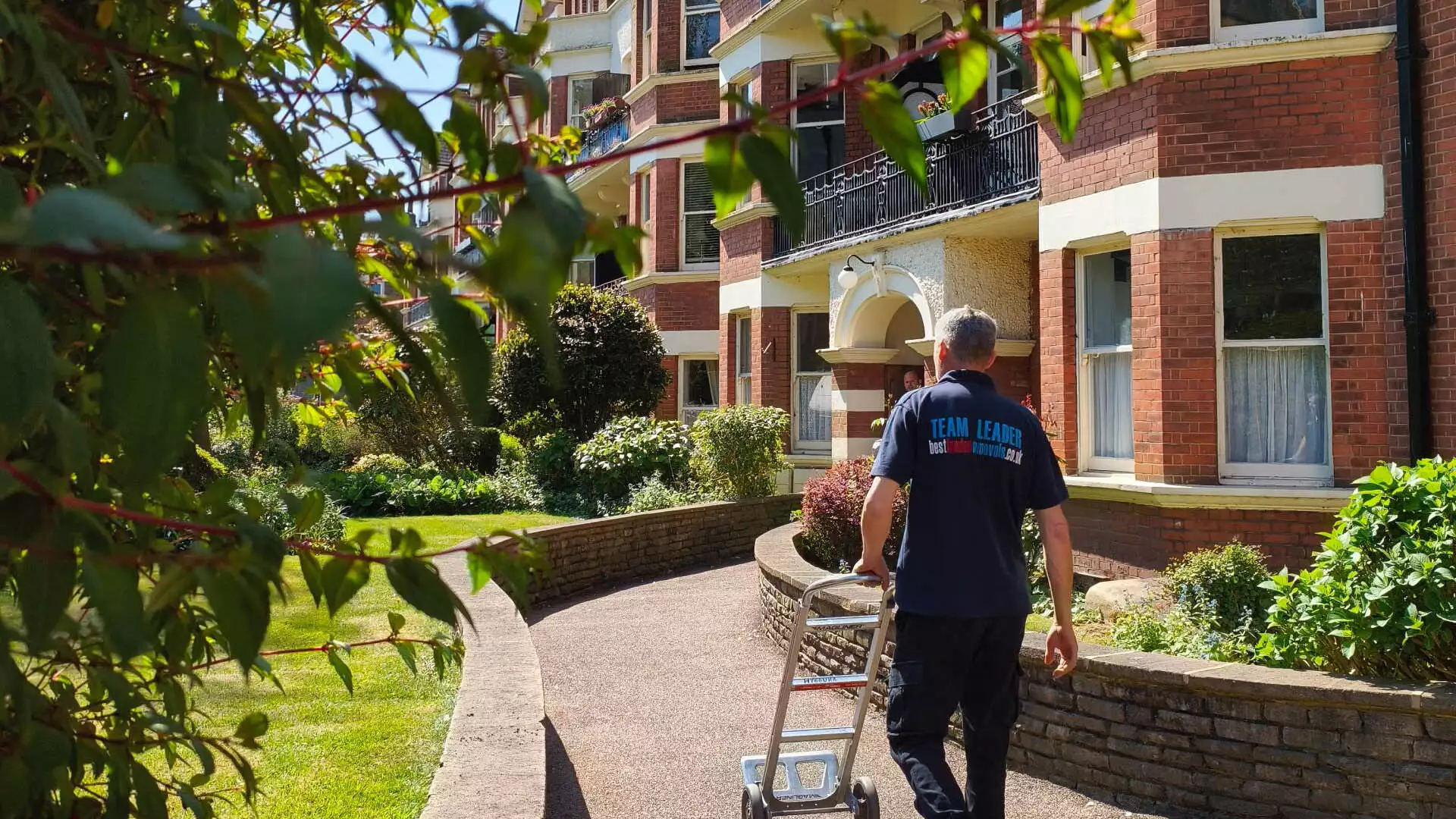

A washing machine is one of the more straightforward large appliances to move, provided it has been prepared properly. Best London Removals handles the full process for a house move, from disconnecting the machine at the origin address to reconnecting it at the new one, provided the plumbing is already in place. The one thing worth sorting in advance is the transit bolts.
Why preparation matters
A washing machine that has not been prepared correctly can sustain internal damage during transport, even on a short journey. The drum sits on a suspension system inside the machine, and without the transit bolts fitted, it can move freely during loading, transit, and unloading. On a typical London road, that movement can damage the suspension mechanism in ways that are not immediately obvious, but it can cause problems on first use or shorten the machine’s life.
Residual water is the other consideration. Even after the last wash cycle, water remains in the drum, the hose connections, and around the filter. If the machine has not been properly drained before it is moved, water can spill during transport, which is inconvenient at best and, at worst, damaging to the flooring or other items in the van. The team handles the disconnection and draining on the day, so this does not need to be done by the client in advance.
What needs to happen before the machine is moved
The main thing worth sorting in advance is the transit bolts. These are the bolts supplied with the machine when it was new, removed during installation, and required again whenever the machine is transported. They screw into designated holes at the back of the machine, locking the drum in place for the journey. Without them, the drum can move freely during loading and transit, risking damage to the suspension mechanism.
If you still have the transit bolts, have them ready on moving day. If not, replacement sets are available from appliance retailers and online for around £10-£15. Check your machine’s make and model before buying to ensure you get the correct type. If you are unsure, mention it when booking, and we can advise.
Everything else, disconnecting the water supply, removing the inlet hoses, draining the filter, securing the door, and pulling the machine out from its position, is handled by the Best London Removals team on the day as part of the move.
What happens on move day
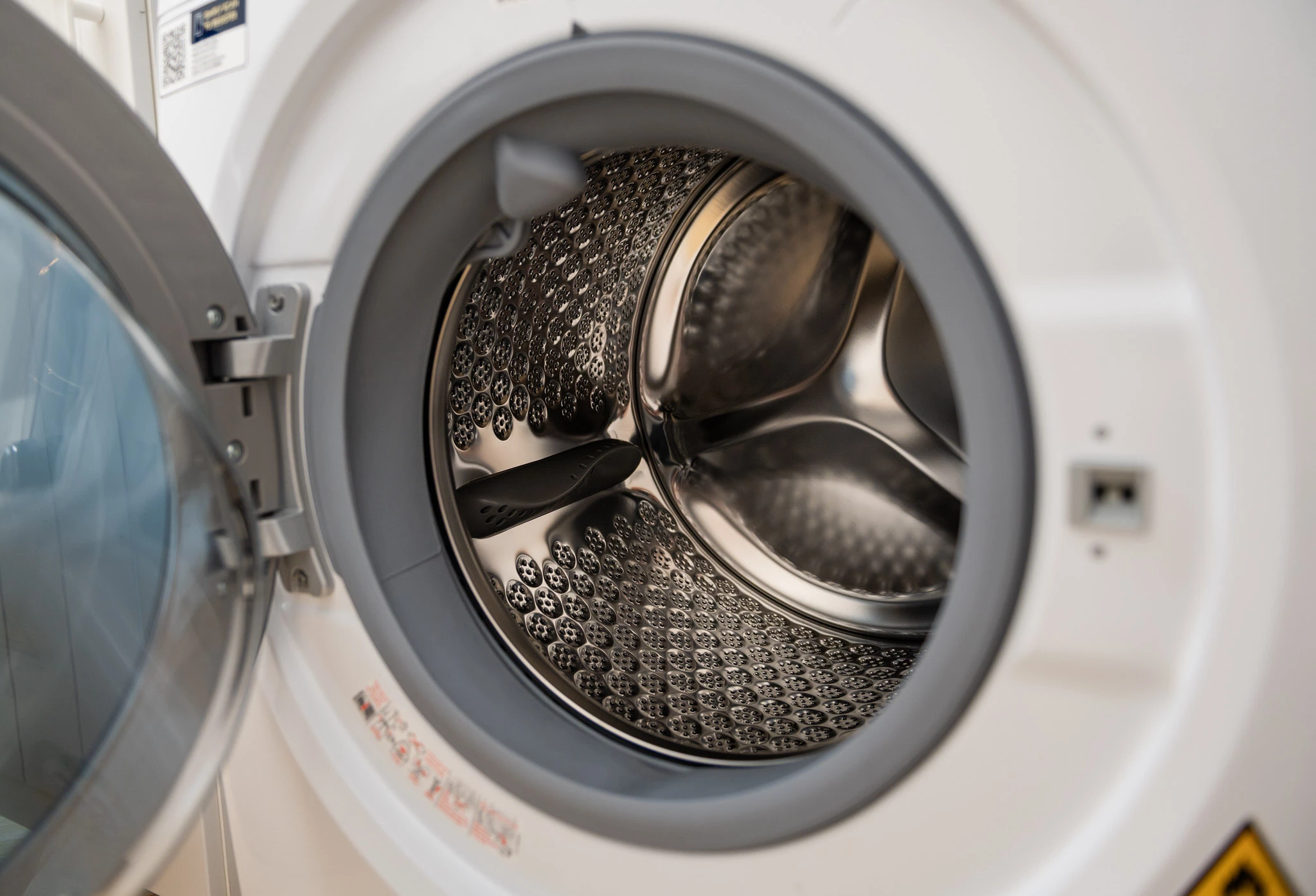
The team disconnects the machine, installs the transit bolts if available, and prepares it for transport. A washing machine requires two people to move safely. It is a dense, heavy appliance, typically between 60 and 100 kilograms depending on the model, and needs proper coordination through doorways, down stairs, and into the van.
The machine travels upright in the van, secured against movement. It should not be laid on its side or back during transport, as this risks water reaching electrical components and can affect the drum bearings.
At the destination, the team carries it to its new position. If the plumbing is already in place at the new address, the team can reconnect the inlet and drain hoses and get the machine back into position, ready for use.
After the move
Before running the machine for the first time at the new address, remove the transit bolts from the back. This is important. Running a machine with the transit bolts still fitted will damage the drum. Keep the bolts somewhere accessible in case the machine needs to be moved again in future.
Once reconnected, run a short rinse cycle with no laundry to check for leaks at the hose connections before putting the machine back into regular use.
A note on dishwashers and other plumbed appliances
The same approach applies to fridges, freezers or dishwashers. The team can disconnect at the origin, handle the transport, and reconnect at the destination if the plumbing is in place. Tumble dryers that are not plumbed are simpler, though the door and power cable are secured before loading as standard.
If you are planning a house move and want to confirm how your washing machine and other appliances will be handled, Best London Removals can advise when you book. To discuss your move, contact us or request a quote.
FAQs how to move a washing machine
Find quick answers to common questions about how to safely move a washing machine
Can I move a washing machine without transit bolts?
It’s risky. The drum can move freely, potentially causing internal damage. If you no longer have the bolts, contact the manufacturer or use padding to temporarily stabilise the drum.
What if I’ve lost the transit bolts?
You can buy replacement bolts from the manufacturer (quote your model number) or from sites like eSpares or BuySpares. They usually cost £10–£25 for a set. If you can’t get them in time, stuff thick towels or foam tightly between the drum and the casing and strap the machine securely – it’s not perfect, but far better than nothing.
How do I drain all the water before moving?
Yes. Even a short journey with water sloshing inside can crack the concrete counterweight or damage the suspension. A quick spin-only cycle and tilting to drain the last bit takes 10 minutes and saves a lot of hassle
Do I need to drain the machine if I’m only moving 5 minutes down the road?
Detach the drain hose and let the water flow into a shallow tray. Check the filter on the front panel and manually empty any trapped water.
Can I transport a washing machine on its side?
Try not to. Always move it upright to prevent drum misalignment and gearbox oil leaks. If necessary, place it on the side opposite the controls and let it rest upright for a few hours before use.
How long should I wait before using it again?
Wait at least 30 minutes to one hour after reconnecting it and removing the transit bolts. This gives internal fluids time to stabilise.
Do movers reconnect washing machines?
Many professional removal companies, including Best London Removals Ltd, can disconnect and reconnect your washing machine safely as part of the moving service.
Should I clean the machine before the move?
Yes, run a hot service wash with descaler or vinegar. Then drain the remaining water fully and dry the machine. Prevents smells and leaks during the move.