


A lot of London moves start the same way. A renter in Ealing, a homeowner in Barnet, or a student leaving halls in Bloomsbury sends out a few enquiries, then gets three completely different replies back. One is an hourly rate with almost no detail. One is a single fixed sum with no explanation. One looks cheap until the small print starts to appear.
That's where moving stress usually begins, not on the day itself, but at the quotation stage. A proper man and van quote should specify the vehicle, how many movers are needed, the access issues allowed, and whether the price is open-ended or fixed. In London, where Controlled Parking Zones, narrow streets, estate loading bays, and unreliable lifts can change the pace of a job quickly, that detail matters.
Understanding your man and van quote
At the quotation stage, the biggest mistake first-time movers make is treating every price as if it means the same thing. It does not. In London, the gap between a rough hourly estimate and a fixed, itemised quote can be the difference between a straightforward move and a day that runs over budget.
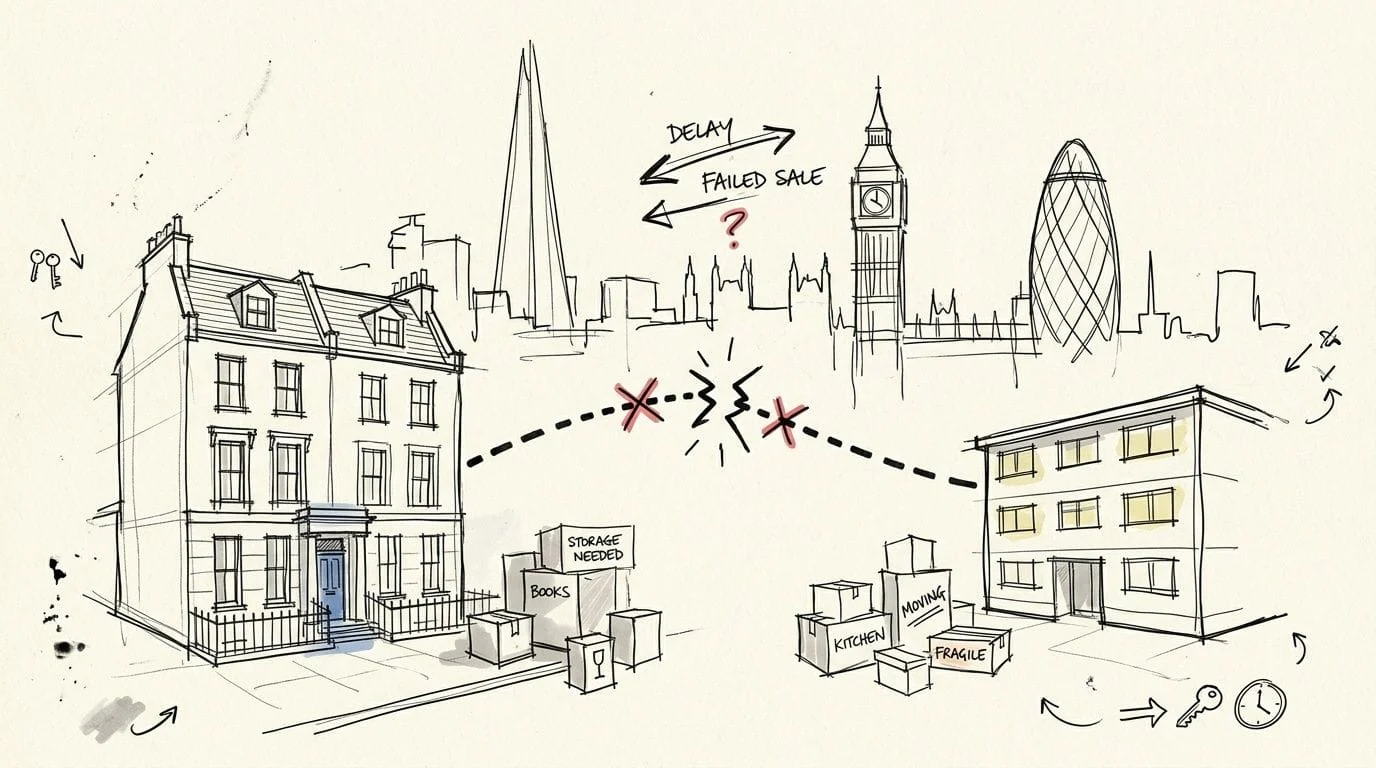
A common example is a flat move from W12 to SE1. One company sends a short message with an hourly rate and very little else. Another sends a fixed price after checking the inventory and properly assessing it. The first figure often looks cheaper. Then the crew arrives, finds a fourth-floor walk-up, no nearby loading space, a CPZ restriction, and furniture that will not come out in one piece. The price changes because the plan was never properly built in the first place.
A proper quote is the written version of the job. For man and van services in London, that means more than a van and a postcode pair. It should reflect what is being moved, how it will be loaded, where the van can stop, and what is likely to slow the job down.
The most reliable quotes usually come from a video survey and a written inventory. That gives the mover a clear view of the box count, bulky furniture, stair carries, lift access, parking restrictions, and any items that need dismantling or extra protection. Without that, an hourly estimate is often just a starting point.
What the quote is really showing
A useful quote should make four things clear:
A vague quote usually means the company has not checked enough.
That matters more in London than many customers expect. A move in Camden may need resident visitor permits or a suspension. A block in Canary Wharf may require a booked service lift and a timed loading bay. A street in Clapham may allow stopping only at certain hours. If those points are missing from the quote, they have usually not been allowed for in the price either.
Why first-time movers get caught out
First-time movers often compare only the final number. The better question is whether both firms have priced the same job under the same conditions.
If one company has based its figure on a quick phone call, and another has priced from a video survey with an item list, those are not like-for-like quotes. One is a rough estimate. The other is a planned move.
That is why a fixed-price, itemised quote is usually the safer option for London moves. It exposes the assumptions early, gives both sides something clear to work from, and cuts down the usual cost overruns caused by access problems, parking issues, and underestimated loading time.
Deconstructing a professional quote
A professional removals quote should be readable, itemised, and easy to challenge. If the customer can't tell what's included, the quote isn't doing its job.
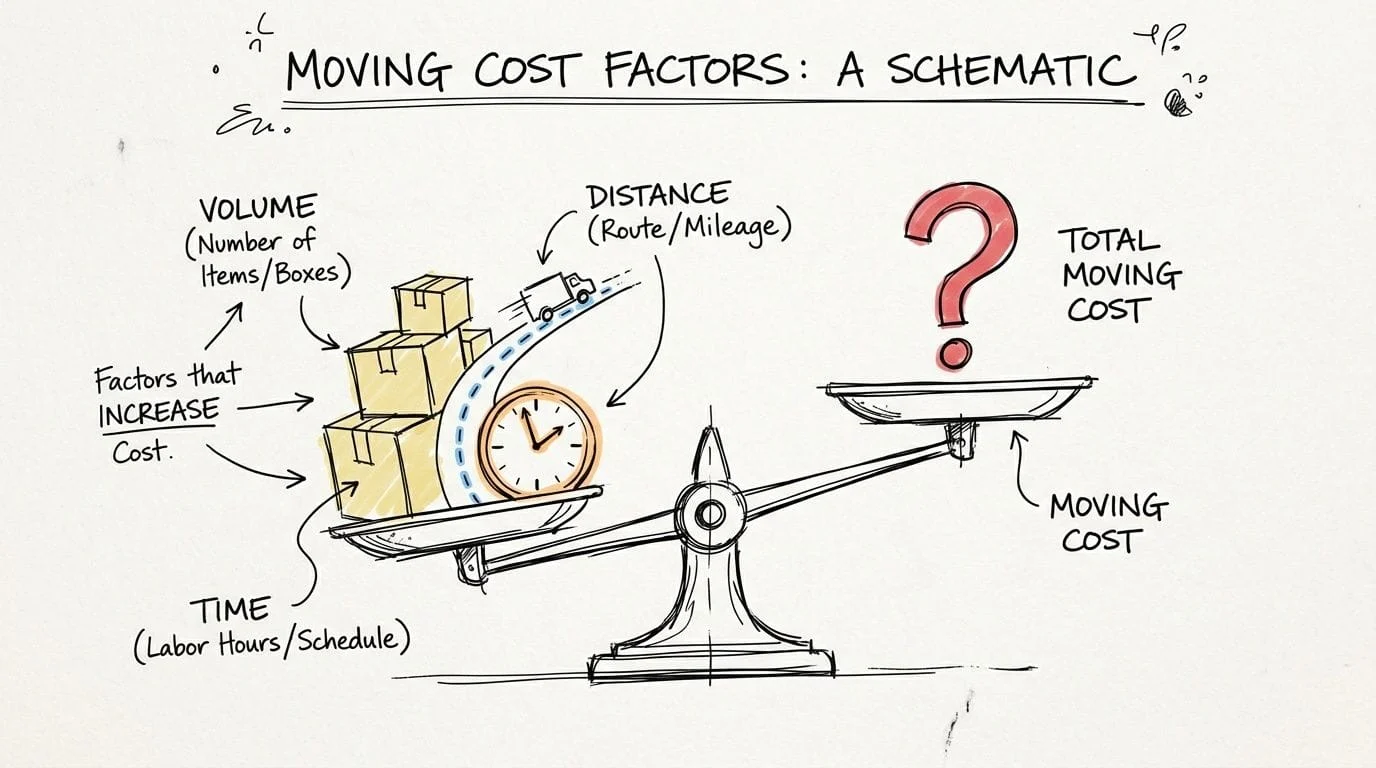
A proper quotation is built from clear component parts rather than arrived at as one rough number. Those parts typically cover labour, vehicle, distance, access conditions, and any additional services. The formula behind professional pricing reflects: time and crew cost, plus distance and mileage, plus any extras such as parking, packing, or specialist handling.
Sample itemised man and van quote for a London one-bedroom flat move
Labour: two movers for loading, transport, and unloading. Included in the quoted total.
Vehicle: a correctly sized van for one-bedroom flat contents. Included in the quoted total.
Distance allowance: travel between collection and delivery addresses. Included in the quoted total.
Access assessment: time allowed for stairs, lift use, carry distance, and loading conditions. Included in the quoted total.
Furniture handling: standard loading and unloading of listed furniture and boxes. Included in the quoted total.
Dismantling and reassembly: only if specifically stated in writing. Charged if applicable.
Packing materials: boxes, wrap, tape, or protective covers if requested. Charged if applicable.
Parking and route-related charges: CPZ permits, suspension arrangements, ULEZ, or similar charges where they apply. Charged if applicable.
Insurance confirmation: goods in transit and public liability details. Included as policy information.
Booking fee: only if the company applies one and states it clearly. Charged if applicable.
Total: fixed price or pricing basis clearly stated on the final quote.
The point of a table like this isn't to force every quote into the same layout. It's to ensure each cost driver appears in writing.
What each line actually means
Labour is more than headcount. It reflects the pace and safety of the job. A studio in Hammersmith with easy loading may suit a smaller team. A furnished flat in Kensington with long corridors and lift restrictions usually won't.
Vehicle is about volume and practicality, not just availability. A van that's too small can create repeat trips, delays, and extra labour. A van that's too large may create access problems on narrower roads or private developments with height limits.
Distance allowance matters because London mileage isn't straightforward. A short route in miles can still involve heavy traffic, awkward loading points, or timed access windows.
The most overlooked part of the quote
The line many customers miss is the one covering extras and accessorials. That's where hidden costs usually live if the quotation process was rushed. A professional quote should state whether it includes things like:
If a quote doesn't mention access, it probably hasn't priced access.
What works and what doesn't
What works is an itemised quote tied to an actual survey, whether by video or site visit. That allows the removals firm to price the move described, not the move imagined.What doesn't work is a single-line estimate such as "two men and a van, around half a day." It sounds flexible. In practice, it leaves too much open for disagreement.
The main factors that drive your quote price
A customer calls and says, "It's only a one-bed flat, and the drive is 20 minutes." On paper, that sounds simple. On the day, it can still turn into a five-hour job if the van cannot stop outside, the lift is out of service, or half the load was left out of the estimate.
That is why the price shifts so much between a rough hourly estimate and a fixed, itemised quote based on a video survey. The hourly figure only gives a broad starting point. The proper quote prices the actual move, with the delays and constraints that London regularly adds.
Hourly rates for man and van work vary depending on van size, crew size, and location, with London sitting toward the higher end of the range. The primary issue for customers is not the headline hourly rate. It is how quickly that clock runs once access, parking, and building rules start slowing the job down.
Volume affects more than van size
The load list drives labour, vehicle choice, and time on site. A one-bedroom move with a bed, sofa, ten boxes, and no dismantling is a different job from a one-bedroom move with a corner sofa, two wardrobes, a Peloton, balcony planters, and fifty mixed boxes.
Vague estimates often go wrong. If the survey misses storage areas, flat-pack furniture that needs to be taken down, or heavy items that require two or three people, the quote starts low and rises later. A fixed-price, itemised quote avoids that because each major item is accounted for before moving day.
Access usually changes the price faster than mileage
In London, access is often the part that decides whether a move stays calm or becomes rushed and expensive. Short local moves can cost more than longer ones when the loading conditions are poor.
The usual problem areas are:
Timing, coordination, and extra services
Move date matters as well. Fridays, month-end bookings, and key-release chains create tighter schedules, so delays become more expensive. If a customer needs packing, dismantling, reassembly, or storage, those services should be clearly listed on the quote rather than added casually later.
A sensible first check is to compare your details against a London moving cost calculator. It will not replace a proper survey, but it helps show whether a quote looks in the right range before you commit.
How to get a genuinely accurate quote
Accurate pricing starts before the quote is written. The customer's brief shapes the result. If the information is partial, the quote will be partial too.
The most reliable approach for a London flat or house move is a video survey. It's quicker than waiting for a site visit, and it gives the surveyor a live view of the load, the access, and the awkward items that photos often miss.
What to prepare before the survey
Have the practical details ready before the call starts. That saves time and leads to a firmer price.
How to walk through the property properly
Move room by room. Open wardrobes. Show inside storage beds. Point the camera at access points, not just contents. If a sofa has a tight turn near the front door, show the door and the turn. If there are steps from the pavement to the building entrance, show those too.
Stairs surcharges can add £30 to £60 per flight, which is exactly why a video survey that captures access properly helps avoid surprises on the day.
What to ask when the quote comes back
A customer doesn't need trade knowledge to test a quote. A few direct questions are enough:
Red flags and what a good quote must include
A bad quote usually looks harmless at first. The trouble starts on the day the crew arrives, when suddenly there are extra charges for stairs, a long carry, waiting time, or parking that were never properly discussed.
That pattern is common on London moves because small jobs get priced too casually. A vague hourly estimate can sound cheaper than a fixed, itemised quote, but it leaves too much open. If the firm has not documented the inventory, access, and local restrictions in writing, the customer is the one bearing the risk.
What a trustworthy quote should include
A proper quote should let a first-time mover see exactly what has been allowed for. If that is missing, it is not ready to accept.
The strongest quotes are built from a video survey and then broken down clearly. That is what separates a real fixed price from a rough guess with a neat heading on top.
Red flags that deserve caution
The first red flag is a price that arrives too quickly. If a company can quote within minutes without properly reviewing the job, the figure is often based on assumptions that may change later.
Another warning sign is a very low hourly rate with no clear limit on hours. In London, overruns happen for ordinary reasons. A suspended bay has not been booked. The porter says the lift cannot be used at that time. The driver has to park farther away because the CPZ rules were not checked. None of that is unusual, but all of it affects cost.
Quotes also need to mention awkward access. A top-floor flat with no lift is a different job from a ground-floor maisonette, even if the volume looks similar on paper. The same goes for long corridors, split-level conversions, and developments with strict loading slots.
Be careful with verbal reassurances. If insurance, parking, waiting time, or special items are only discussed on the phone and do not appear on the quote, they are not properly allowed for. Cash-only pressure is another sign to slow down and check the paperwork.