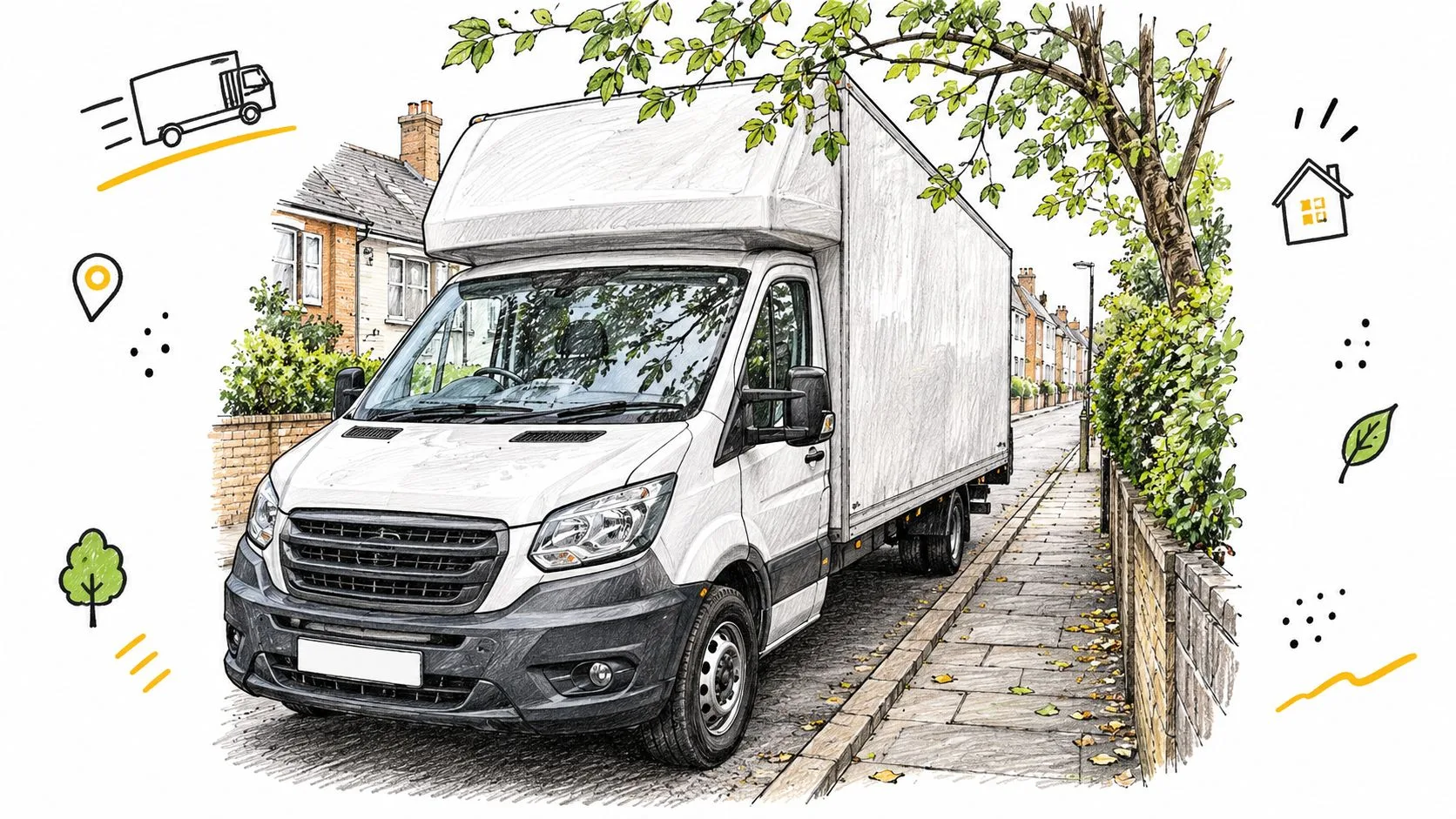


Moving house involves more decisions and tasks than most people expect when they first start planning. The process spans weeks or months, and the things that go wrong are almost always the ones that weren't addressed early enough.
This checklist breaks the process into stages so nothing gets missed. It's written with London moves in mind, where parking arrangements, building access, and borough-specific logistics add an extra layer of planning that a generic checklist won't cover.
Planning and preparation
Set a moving date. Consider your work schedule, school terms (if relevant), and the amount of lead time your removal company needs. In London, peak periods book up quickly, and if you need a parking suspension for the van, most boroughs require at least five to ten working days’ notice.
Build a moving budget. Account for removal company costs, packing materials, storage if needed, parking suspension fees, and a contingency for delays. Fixed-price quotes help here because you know the removal cost before the day, rather than finding out afterwards.
Declutter before you pack. Sort everything into keep, donate, and dispose piles before a single box is filled. Less to move means lower cost and less to unpack at the other end.
Make an inventory. A room-by-room list with photos, where useful, helps with insurance and makes unpacking more straightforward.
Research and book your removal company. Get quotes from at least two or three companies. Look for proper insurance, clear pricing, and reviews across multiple platforms, including Google, Trustpilot, and RemovalReviews.co.uk. A fixed-price, itemised quote is easier to compare than an open-ended hourly rate.
Notify important parties. Update your address with the Post Office for mail redirection, utility companies, banks, insurance providers, DVLA, HMRC, and any subscription services.
Transfer records. Contact your GP, dentist, schools, and any other service providers to arrange the transfer of records to your new area.
Notify your landlord if renting. Check your tenancy agreement for the required notice period and put it in writing.
Check your home insurance. Confirm that your belongings are covered during transit. Some policies exclude goods in a removal van unless specifically stated.
Coordinate school arrangements if needed. Confirm the last day at the current school and the first day at the new one well in advance.

Packing
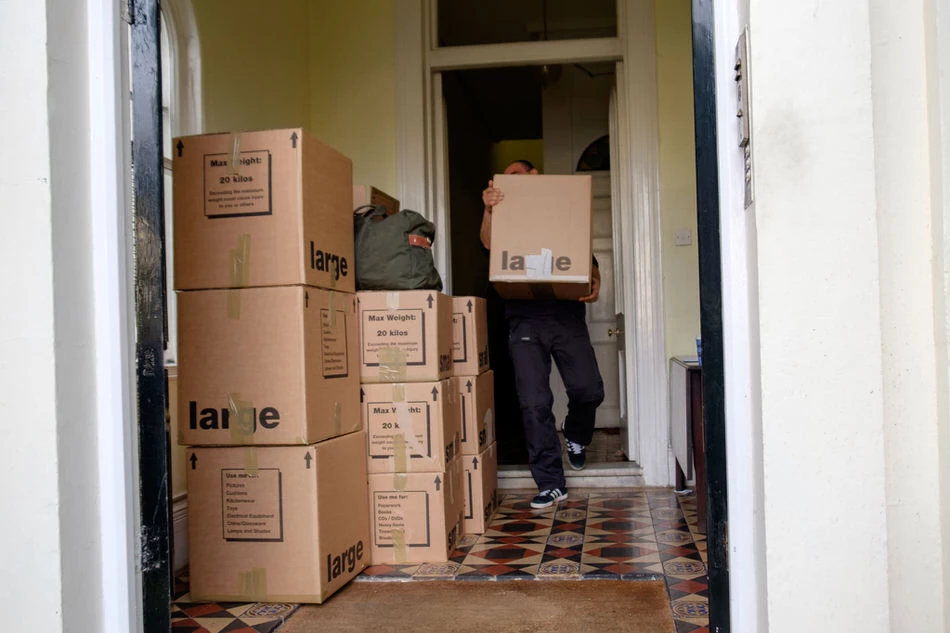
Gather packing materials early. Sturdy boxes in mixed sizes, bubble wrap, packing paper, strong tape, and markers. Running out of boxes on the evening before the move is avoidable.
Use a colour-coding system. A different-coloured label per room speeds up unloading and ensures boxes go to the right place without constant direction.
Pack room by room. Finishing one room completely before starting another keeps things organised and makes progress visible.
Pack an essentials box separately. Toiletries, a change of clothes, phone chargers, medications, important documents, and anything you’ll need on the first night should travel with you rather than be buried in the van. Our guide to what to pack in the first night box covers this in more detail.


Logistics and services
Arrange parking for the removal van. In London, this often means applying for a parking suspension through your local council. Both the collection address and the delivery address may require one, and they must be applied for separately. Our parking suspension guide covers the process borough by borough.
Take meter readings. Final readings at your old address and initial readings at the new one. Notify your utility companies of both, so billing is accurate from the right date.
Confirm building access if applicable. For flats or managed buildings, check goods lift availability, loading bay access, and whether the building management needs advance notice of the move.
Final preparations
Clean your current home. Leaving the property clean is usually a tenancy requirement and avoids deposit disputes.
Visit the new property before moving day if possible. Check that everything is clean, utilities are connected, and any agreed work has been completed.
Clean the new home before furniture arrives. Carpets and walls are much easier to deal with before everything is in position.
Update subscriptions and deliveries. Regular deliveries, streaming services, magazines, and online accounts all need the new address.
Moving day
Confirm arrangements with your removal company. Arrival time, both addresses, any specialist items, and parking arrangements should all be confirmed the day before.
Be present during loading and unloading. You are the best person to direct fragile items and confirm where things should go at the new address.
Do a final check before leaving. Every room, every cupboard, loft if there is one, garden, and outbuildings. Check that all windows are closed and all doors are locked.
Leave a handover note for the new occupants. Stopcock location, meter positions, bin collection days, and energy provider details are all useful for whoever moves in after you.
Keep essentials accessible on the day. Kettle, tea, coffee, milk, cups, snacks, toilet paper, toiletries, and a basic first aid kit. The first hour in a new home is much easier with these to hand.
If you’re planning a move in London and want a fixed-price quote, Best London Removals Ltd has been helping people move across Greater London since 2011. Request a quote or call 0800 080 7476.