

Moving home is one of the most logistically demanding things most people will ever do. Even experienced movers get caught out. The difference between a smooth move and a stressful one usually comes down to a handful of avoidable mistakes, most of which are easy to prevent once you know what to watch for.
Here are the most common moving mistakes people make in London, drawn from years of experience handling removals across every borough.
1. Not leaving enough time for packing
Packing always takes longer than expected. A one-bedroom flat that looks manageable can easily take a full weekend once you factor in wrapping fragile items, sourcing boxes, and making decisions about what to keep, donate, or bin. For a three-bedroom house, allow at least three to four full days.
Start with rooms you use least, spare bedrooms, loft storage, garage, and work towards the kitchen and bedroom last. Leave out only what you genuinely need for the final days before moving day.
If you’d rather not deal with packing at all, a professional packing service handles everything, including supplying materials and wrapping fragile items correctly.
2. Booking the removal company too late
London removal companies, particularly good ones, fill up weeks in advance during peak periods. Spring and summer are the busiest seasons, and Fridays are consistently the most popular moving day. If your moving date coincides with the end of the month or school holidays, availability gets tight even faster.
Book as soon as your completion date or tenancy start date is confirmed. Leaving it until the week before puts you in a weak position: you may have to take whoever is available rather than choosing a company with a proven track record.
3. Not sorting a parking suspension in advance
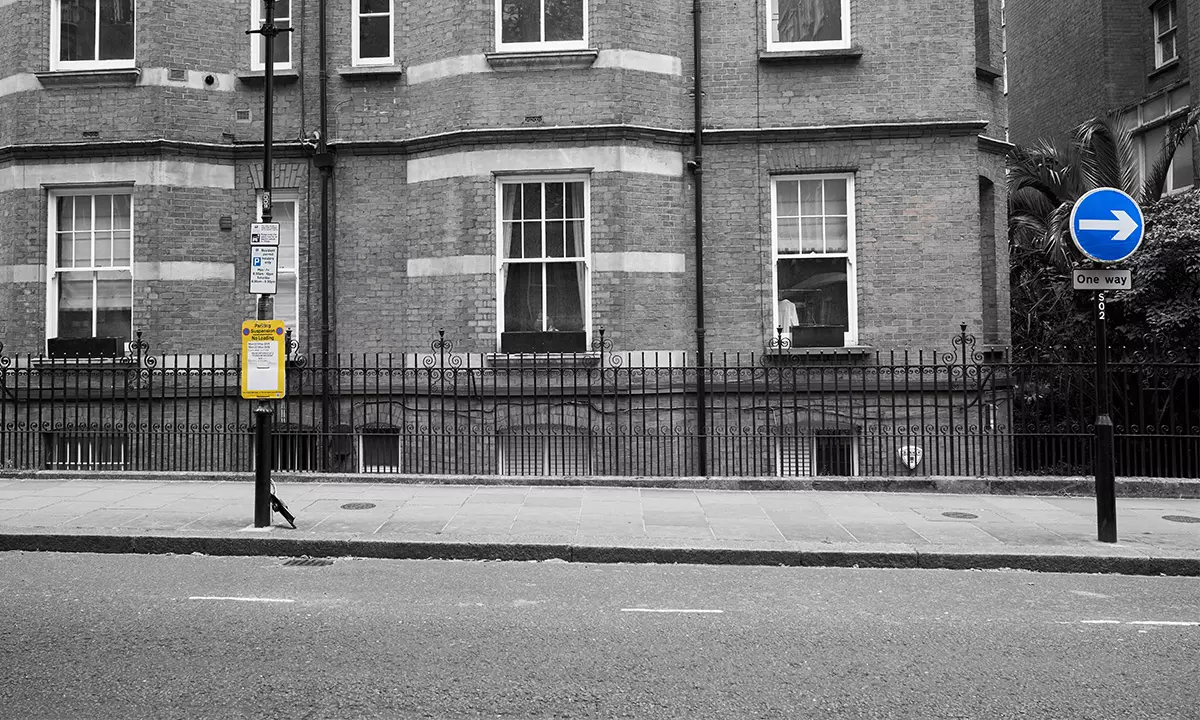
This is one of the most common and costly mistakes, specifically for London moves. If there is no off-street access at your current or new address, a removal van will need to park on the street. On a permit-controlled road, that means applying to the local council for a parking suspension.
Applications typically need to be submitted at least five working days before the move, and some boroughs require longer. Leave it too late, and you may not get the permit in time, forcing the van to park further away, which adds time and cost, or risk a fine.
Best London Removals can advise on the suspension process and handle the application for you if needed.
4. Underestimating the volume of your belongings
Almost everyone underestimates how much they own until it's time to move it. This matters for two reasons: the size of the vehicle needed and the time the job will take.
A reputable removal company will carry out an on-site or video survey before providing a quote. This is the only reliable way to get an accurate price and ensure the right vehicle is allocated. Be wary of companies that quote over the phone without any assessment, as the figure is likely to change on the day.
The same applies if you are moving items into storage. Overestimate the space you need rather than underestimate it. Arriving at a storage facility with more than your unit can hold is an expensive and frustrating problem.
5. Forgetting to measure access at the new property
Large furniture that fits through the doors of your current home may not fit through the doors of the next one. Wardrobes, sofas, and bed frames are the most common culprits, particularly in older London properties with narrow hallways or tight stairwells.
Before moving day, measure the width of external doors, internal doors, stairwells, and any tight corners at both properties. Cross-reference these against your largest pieces of furniture. If something won’t fit through the standard route, professional removal teams can often disassemble it or use an external hoist, but this needs to be planned in advance, not discovered on the day.
6. Packing valuables and documents with everything else
Passports, financial documents, jewellery, medication, and laptop computers should travel with you personally, not in a removal box. Removal crews handle dozens of boxes on a busy move. Even with the best care, a box labelled "documents" can end up at the bottom of a stack or, in the worst case, be misplaced.
Keep a separate bag with everything you will need access to on moving day and in the first 24 hours: phone chargers, keys, contracts, medications, and any items of high sentimental or monetary value.
7. Not labelling boxes clearly
Vague labelling, such as "misc", "stuff", or "kitchen", creates hours of unnecessary work at the other end. Write both the contents and the destination room on every box. For fragile items, mark all four sides and the top clearly so the box is never placed upside down or stacked under something heavy.
A small amount of time spent labelling during packing saves a significant amount of frustration during unpacking.
8. Skipping insurance or not reading the policy
Most removal companies include basic liability cover as part of the service, but basic cover may not reflect the full replacement value of high-value items such as artwork, antiques, electronics, or designer furniture.
Before your move, ask the company exactly what their policy covers, what the per-item limit is, and what the claims process looks like. Check whether your home contents insurance extends to goods in transit, as some policies do, and many do not. If there is a gap, specialist goods-in-transit insurance is available and relatively inexpensive.
9. Not giving the removal company accurate information upfront
If your new home is on the third floor and the building has no lift, say so when booking. If there is a long carry from the nearest parking point, mention it. If there is a particularly heavy piece of furniture or a piano, be specific about it.
Removal costs are calculated in part based on the complexity of the job. Withholding information does not make a move cheaper. It results in an inaccurate quote that will either be revised upward on the day or cause friction with the crew. Providing an honest brief from the start is the only way to get a quote that reflects the real job.
10. Forgetting to take utility meter readings on moving day
On the day you leave your old property, photograph the gas, electricity, and water meters. Do the same when you arrive at the new one. These readings are your evidence for final billing at the old address and the opening balance at the new one.
Skipping this step can lead to billing disputes that take months to resolve. It takes less than five minutes and can save considerable time and money later.
11. Not updating your address everywhere that matters
Beyond the obvious, bank, employer, HMRC, and GP, there are a surprising number of places that need your new address: DVLA (driving licence and vehicle registration), electoral roll, pension providers, insurance policies, subscriptions, and any ongoing legal or financial correspondence.
The Royal Mail redirection service is a useful safety net for the first few months, but it is not a substitute for properly updating your address. Any correspondence that does not reach you on time could have practical consequences.
12. Leaving it too late to back up your data
A move is a period of elevated risk for personal devices. Laptops and hard drives get bumped, sat on, or accidentally left somewhere in the chaos. Before moving day, back up everything important to a cloud service or an external drive that travels separately from the device itself.
This takes minutes to set up and protects years of irreplaceable files.
Moving well is mostly a matter of preparation. The mistakes above are common because they feel low-priority until the day they become a problem. Address them early, and moving day itself tends to run smoothly.
Best London Removals Ltd carries out home, flat, and office removals across all London boroughs, with surveys, fixed-price quotations, and access planning included as standard. Smaller jobs are available as man and van hourly bookings, where the team advises a realistic time estimate based on the scope of the work.