
Moving home in London does not have to be chaotic. A clear plan, the right removals team and a few smart habits can turn your move into a smooth, stress-free experience.
Why moving feels stressful
Moving house or flat in London means tight streets, parking rules, steep stairs and strict timelines. When you add children, pets, work and paperwork, it can quickly feel overwhelming. The good news is that with early planning and the right support, you can stay organised and in control.
Start early with a simple plan
The earlier you start, the calmer your move will feel.
- 6–8 weeks before moving, create a simple checklist and a moving folder (digital or paper) for quotes, contracts and key dates.
- Decide whether you need a professional removals team, packing services and/or storage, especially if you are moving between rented flats or have a completion chain.
- Book time off work for moving day and, if possible, the day after, so you are not trying to juggle emails and boxes at the same time.


Declutter before you pack
Every box you move takes time, money and energy, so only move what you really need.
- Go room by room and sort items into keep, donate, sell and recycle. Focus first on rarely used cupboards, wardrobes and loft areas.
- Be honest about clothes you never wear, duplicate kitchen gadgets, old paperwork and worn-out furniture.
- Arrange charity collections, recycling centre trips or listings on resale apps a week or two before moving day.
Choose a professional removals company
A good removals team is one of the biggest factors in a genuinely stress-free house or flat removal in London.
- Look for a local company with strong reviews, clear contact details and experience with London streets, parking and access.
- Ask for a home or video survey so they can assess access, volume, stairs, lifts and any special items such as pianos or antiques.
- Check what is included: packing materials, dismantling and reassembly of furniture, protective covers, insurance and help with parking or permits.
When you know an experienced crew is handling the heavy lifting, you can focus on your family, your keys and your new home.
Sort the change of address early
Paperwork left to the last minute is a major source of moving stress.
- Tell your gas, electricity, water and broadband providers your moving date and take meter readings on the day you leave.
- Arrange broadband at the new property as early as possible, especially if you work from home.
- Update your address with banks, council tax, HMRC, driving licence, car and home insurance, subscriptions and any regular deliveries.
- Consider setting up postal redirection so you do not miss important letters while you settle in.
Pack smart, label clearly
Good packing makes a huge difference on moving day and when you unpack.
- Pack one room at a time and keep similar items together so boxes are easy to place in the right rooms.
- Use strong boxes, fill gaps with paper or bubble wrap and avoid overloading large boxes with books or heavy items.
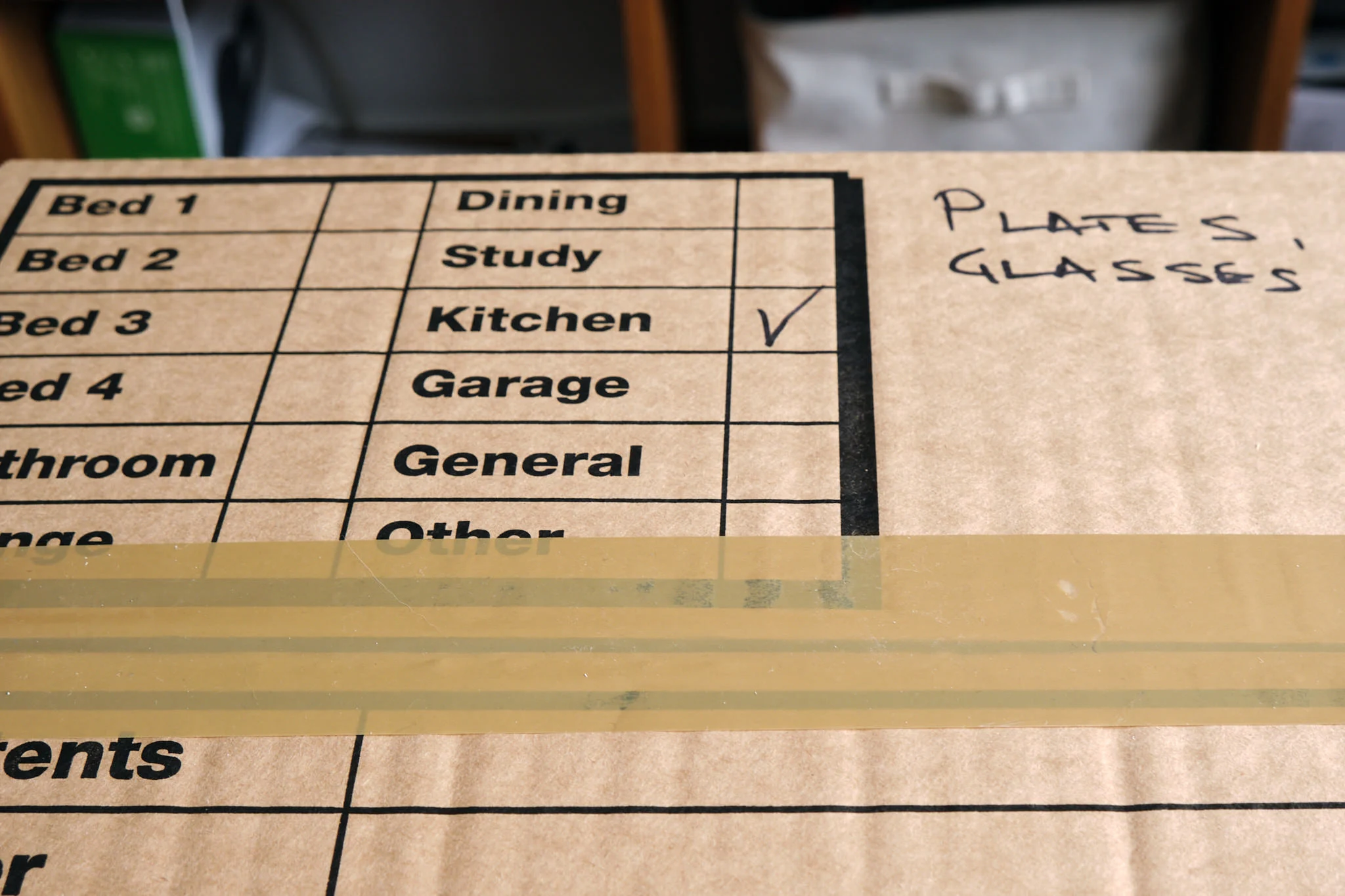
- Clearly label each box with the destination room and a brief description (for example, “Kitchen – pans and baking trays”) on top and at least one side.
- Use colour-coded stickers or tape for each room if you are moving from or into a larger house or block of flats.

Create a moving day essentials box
An essentials box is your survival kit for the first 24 hours.
- Pack kettle, tea or coffee, mugs, snacks, basic cleaning products, bin bags, loo roll and a small toolkit.
- Add bedding, pyjamas and a change of clothes for each person so you can make beds and sleep comfortably on the first night.
- Include toiletries, medication, phone chargers, important documents and keys, and keep this box or bag with you rather than in the van.
Consider storage if timings don’t match
Storage can be a simple way to remove pressure from awkward timelines.
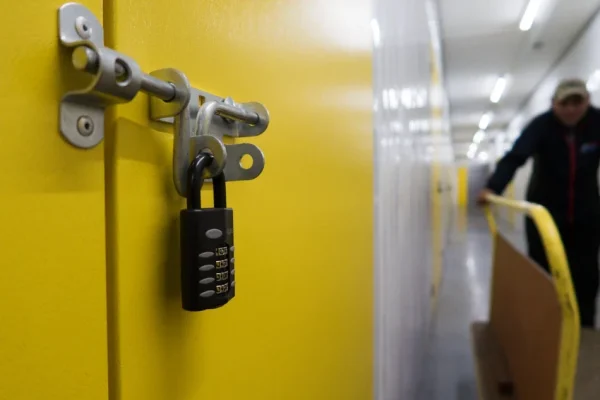
- Use storage if you are between tenancies, waiting for a completion date or downsizing but not ready to part with furniture or sentimental items.
- Choose a storage facility with good security, convenient access and opening hours that fit your schedule.
- Ask your removals company if they can move items directly into storage and out again later, so you avoid double-handling boxes.
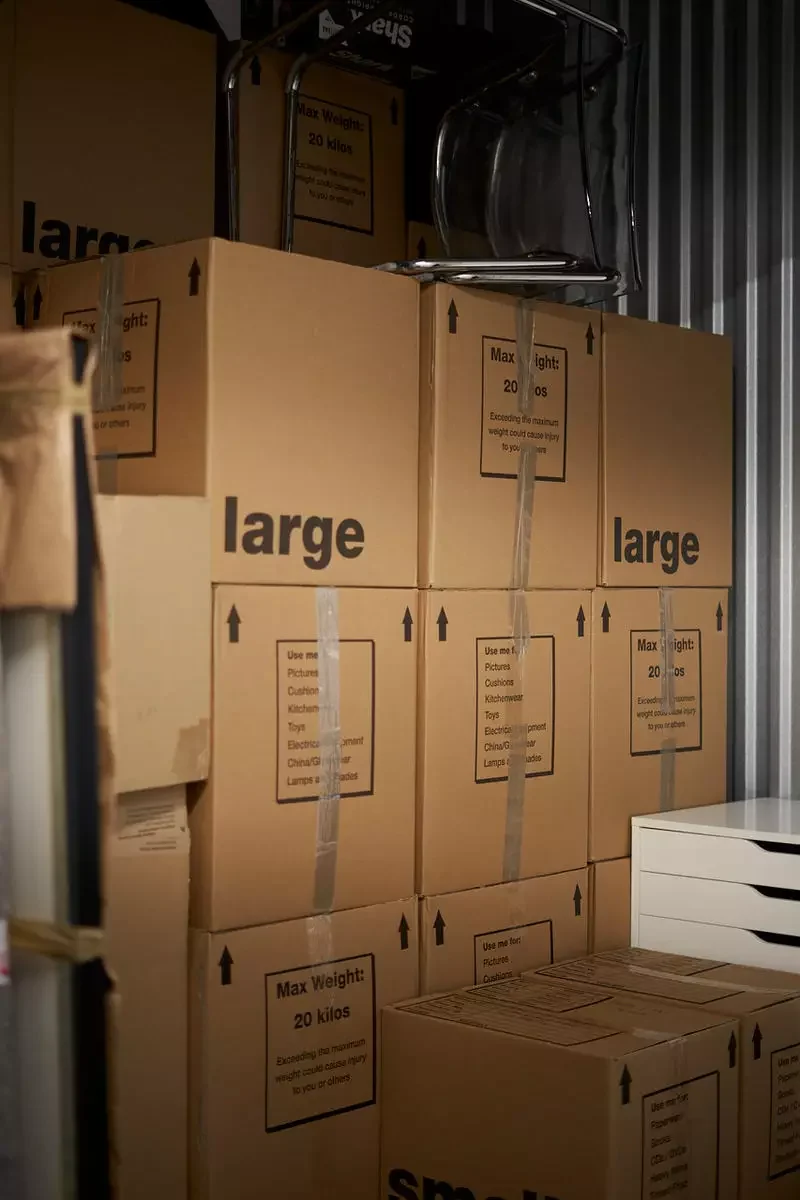
Label stored boxes clearly and keep an inventory so you can find things easily if you need them before your final move.

Plan for access and special items
London’s property access can be challenging, especially for flats with lifts, narrow staircases, and restricted parking.
- Confirm parking arrangements at both addresses in advance and check if you need permits, visitor vouchers, or to reserve bays.
- Let your removals company know about lift sizes, loading bays, concierge rules and any time restrictions on moving large items.
- Flag special items such as large mirrors, artwork, aquariums, gym equipment, safes or fragile antiques so they can bring the right protection.
This planning helps prevent last-minute delays and keeps your move running smoothly.
Look after yourself on moving day
A stress-free house or flat removal in London is not only about boxes; it is also about how you feel.
- Try to get an early night beforehand, keep your phone charged and have simple food or takeaway options ready.
- If you can, arrange childcare or pet care so you can concentrate on the move and keep everyone safe.
- On the day, stay hydrated, take short breaks and do a final walk-through of each property with your removals team leader before they leave.
Focusing on the essentials, planning ahead and working with the right professionals will make your London move calmer, safer and far more manageable.