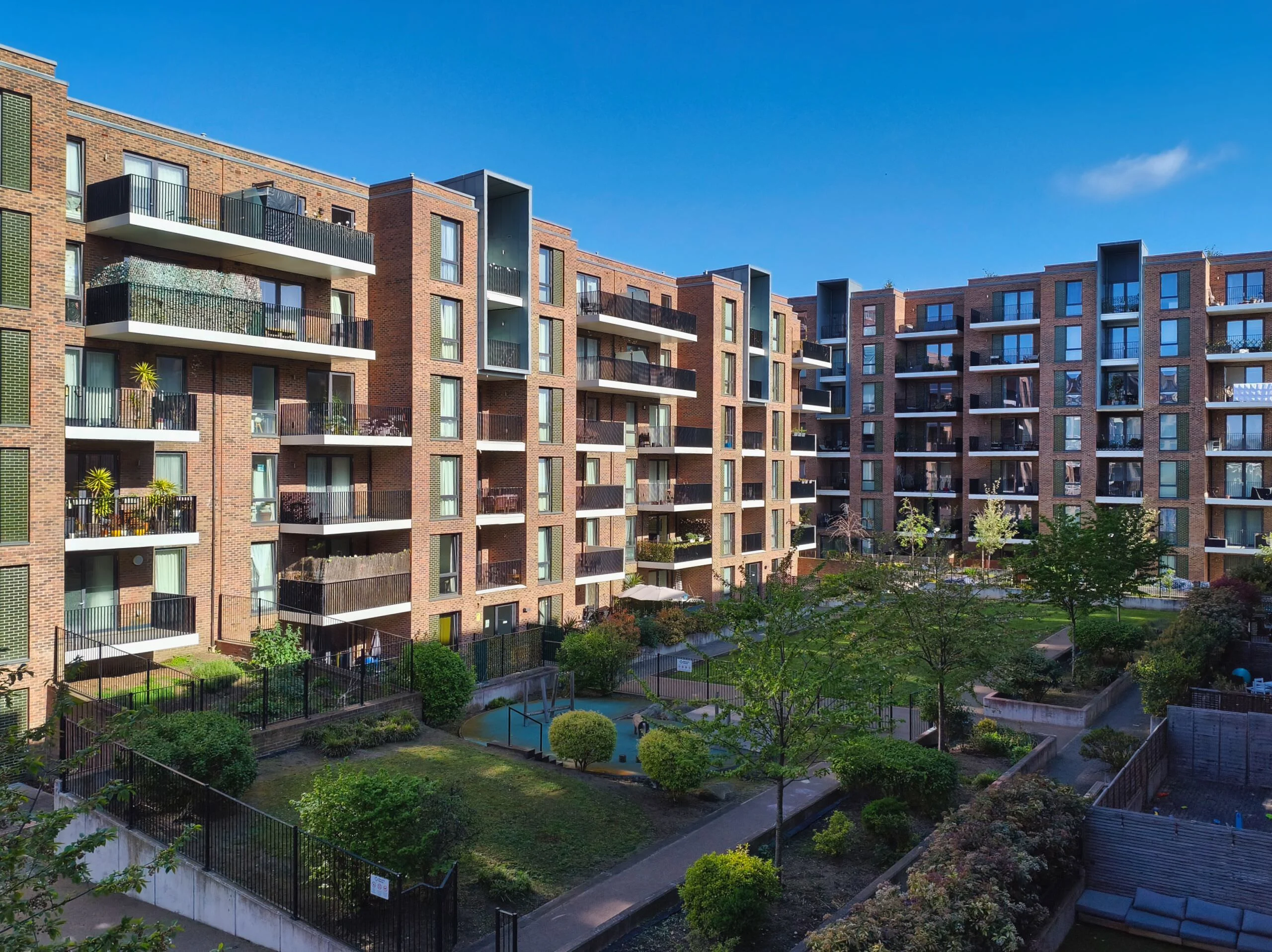

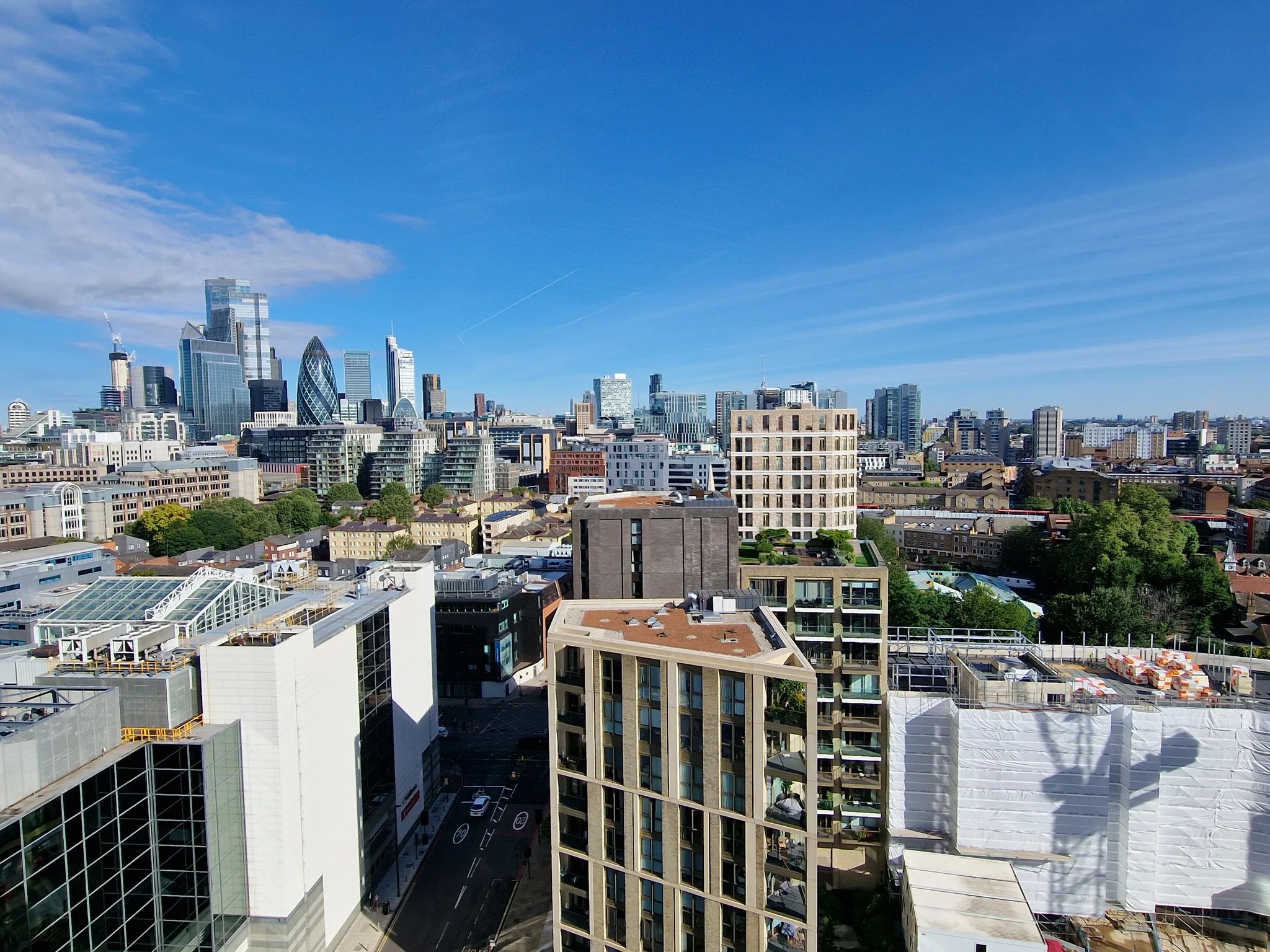
If you’re arranging a move from a first-floor flat in Clapham, a Victorian semi in Streatham, or a newer block in Wandsworth, the same problem usually appears early. The postcode looks straightforward on a map, but the important questions are about access, parking, stairs, lift bookings, and how long the crew will need once the van arrives.
That’s why removals in South West London rarely come down to mileage alone. A short move between SW postcodes can be more involved than a longer run out of London if one address sits on a busy high street, the other has a residents’ bay outside, and the building manager wants the goods lift booked in a narrow time slot.
South West London also has a wide mix of property types. Battersea and Clapham have mansion block conversions and flats above shops. Tooting and Streatham have long Victorian terraces and semis with awkward hallways. Wimbledon, Kingston and Richmond have family houses where volume rises quickly once lofts, sheds and garden furniture are included.
For anyone trying to get organised, a practical checklist helps before speaking to a removals company. Admiral’s Yard Self Storage has a useful guide to comprehensive home-moving steps that covers the broader admin side of a move. For people moving within South West London, or comparing nearby coverage, it can help to see how local service areas connect, such as Twickenham removals coverage.
Your guide to moving home in South West London
South West London moves work best when the planning matches the building. That sounds obvious, but it's the point many people miss when collecting quotes. A ground-floor flat near Tooting Bec, a third-floor mansion block in Battersea, and a townhouse in Wimbledon Village all need different equipment, different loading plans, and different timings.
The postcode matters less than the access
Two addresses can be only a few miles apart and still need completely different move-day planning. Wandsworth and Clapham often bring busier roads, tighter parking control, and less forgiving stopping options. Richmond and Kingston can look easier at first glance, but larger homes there often mean more furniture, more boxes, and longer loading windows.
Practical rule: The best early question isn't "how far is the move?" It's "where can the van legally and safely stop, and how far is the front door from that point?"
That question matters across SW11, SW12, SW16, SW17, SW18, SW19, TW9 and KT1 because the local building stock is so mixed. New-build developments often have booking systems and concierge procedures. Older conversions may have no lift at all, or a lift that's too small for larger furniture.
Areas commonly covered in South West London
People searching for removals in South West London are usually looking for a company that already understands the area rather than one learning it on the day. Commonly requested areas include:
- Wandsworth and Battersea for flats, riverside developments, and busy through-roads
- Clapham and Brixton for conversions, terraces, and moves affected by high street traffic
- Streatham and Tooting for family homes, Victorian layouts, and narrow stair routes
- Wimbledon for larger house moves and organised access planning
- Kingston and Richmond for mixed house and flat moves, often with stricter site access expectations
A well-run move in these areas depends on details being checked early rather than improvised outside the property.
What a typical South West London move involves
A typical South West London move starts with the property type, because that shapes everything from vehicle choice to loading order. The same number of rooms doesn't always mean the same workload. A two-bedroom flat in Battersea and a two-bedroom Victorian house in Tooting can create very different moving days.
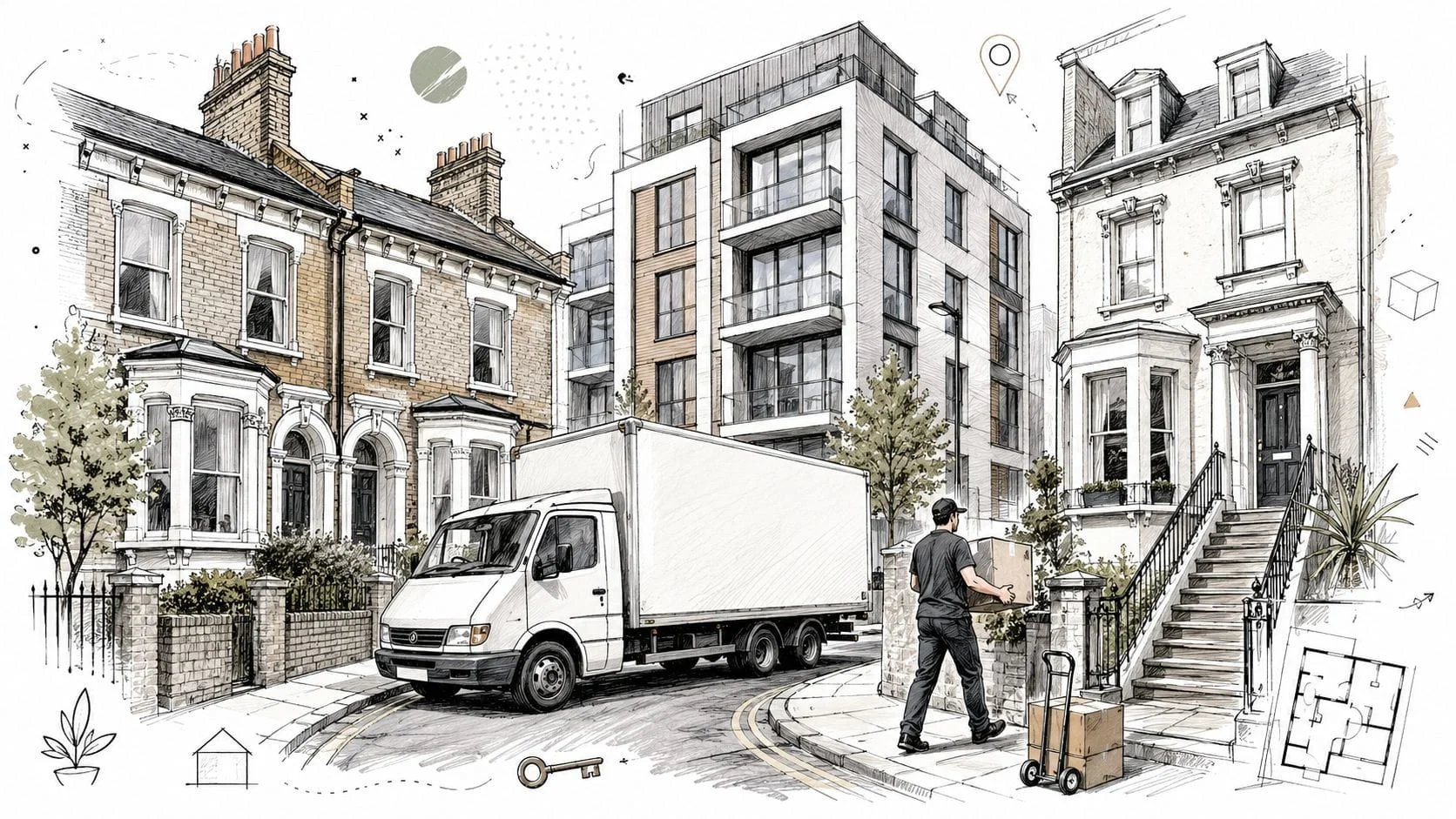
Victorian semis and terraces
In Streatham, Tooting, and parts of Wimbledon, many moves involve period homes with generous room sizes but awkward circulation. That usually means tighter corners, narrower halls, and stairs that slow down larger items such as wardrobes, sofas and mattresses.
These homes also tend to collect more content than people expect. Loft spaces, understairs cupboards, garden tools, bikes, and spare room furniture often don't make it into the first phone description.
A proper house move plan should account for:
If you are moving from London to Exeter or anywhere outside the city, get in touch for a free quote. Our packing service covers everything from packing materials to full furniture dismantling and reassembly.
- Tight internal routes which may require dismantling before loading
- Front garden paths or steps that add porterage time
- Outdoor storage such as sheds and side returns
- Parking distance if the van can’t stop directly outside
For broader guidance on larger domestic moves, house-move services in London provide a useful picture of how removals are typically structured.
Mansion block conversions and older flats
Battersea, Clapham, Richmond and Kingston have many older flats where access is a significant challenge. Some have lifts, but not all lifts are usable for removals. Some buildings have strict communal area rules, and others require floor protection before anything moves through the hallway.
A flat move goes wrong when everyone focuses on the inventory and nobody checks the staircase, bay restrictions, or entry system.
Longer carries are common in mansion blocks. Even when parking exists nearby, the van may still be some distance from the entrance. That changes the loading speed and often affects the size of the crew needed.
New-build blocks and managed developments
Modern developments in Wandsworth and Battersea can be easier in some ways because access routes are cleaner and goods lifts may be available. They can also be slower if the building requires pre-booked lift slots, certificate checks, or arrival windows that can't be missed.
In these buildings, the move usually depends on paperwork and timing discipline. If a lift slot is missed, the rest of the day can unravel quickly.
Understanding removals costs and quotations
The clearest way to understand moving costs is to separate fixed-price removals from hourly man and van bookings. They suit different jobs, and confusion between the two is one reason people end up comparing apples and oranges.
Fixed-price quotations for surveyed moves
A fixed-price quotation is usually the right model for a house move, a larger flat move, or any job where access and inventory need to be checked in advance. The price is based on a survey, the volume to be moved, the required crew, vehicle size, and any known access conditions.
South West London pricing reflects a clear scale effect. Smaller flats and simpler access conditions sit at the lower end; larger family homes in areas such as Wimbledon and Kingston, where volume and access planning both increase, sit considerably higher. That pattern is consistent across the region because as homes get larger, crews need more labour, larger vehicles, longer loading times, and more careful planning.
A proper fixed quote should usually make clear:
- What is being moved, including major furniture and packed boxes
- Which services are included, such as dismantling, reassembly, and packing if requested
- What access assumptions have been made, including stairs, lifts, and parking
- Whether the price is written and itemised, rather than verbal and vague
Hourly man-and-van for smaller jobs
Hourly pricing suits smaller, self-packed jobs with simpler scope. That might be a studio flat, a student move, a few pieces of furniture, or a move where the client already knows exactly what’s going.
This model works well when the volume is modest, and the job doesn’t need a full survey. It works less well when the property has hidden complications, because estimating time becomes harder once the team is dealing with stairs, waiting time, or restricted loading.
For anyone budgeting the wider moving process, including costs beyond the removal itself, EHF Mortgages has a free 2026 home move cost guide that’s useful for broader planning. It also helps to read practical advice on knowing removal costs in advance, so quotes can be compared on a consistent basis rather than on headline price alone.
The cheapest quote often turns out to be the least accurate one, especially when access details were never discussed.
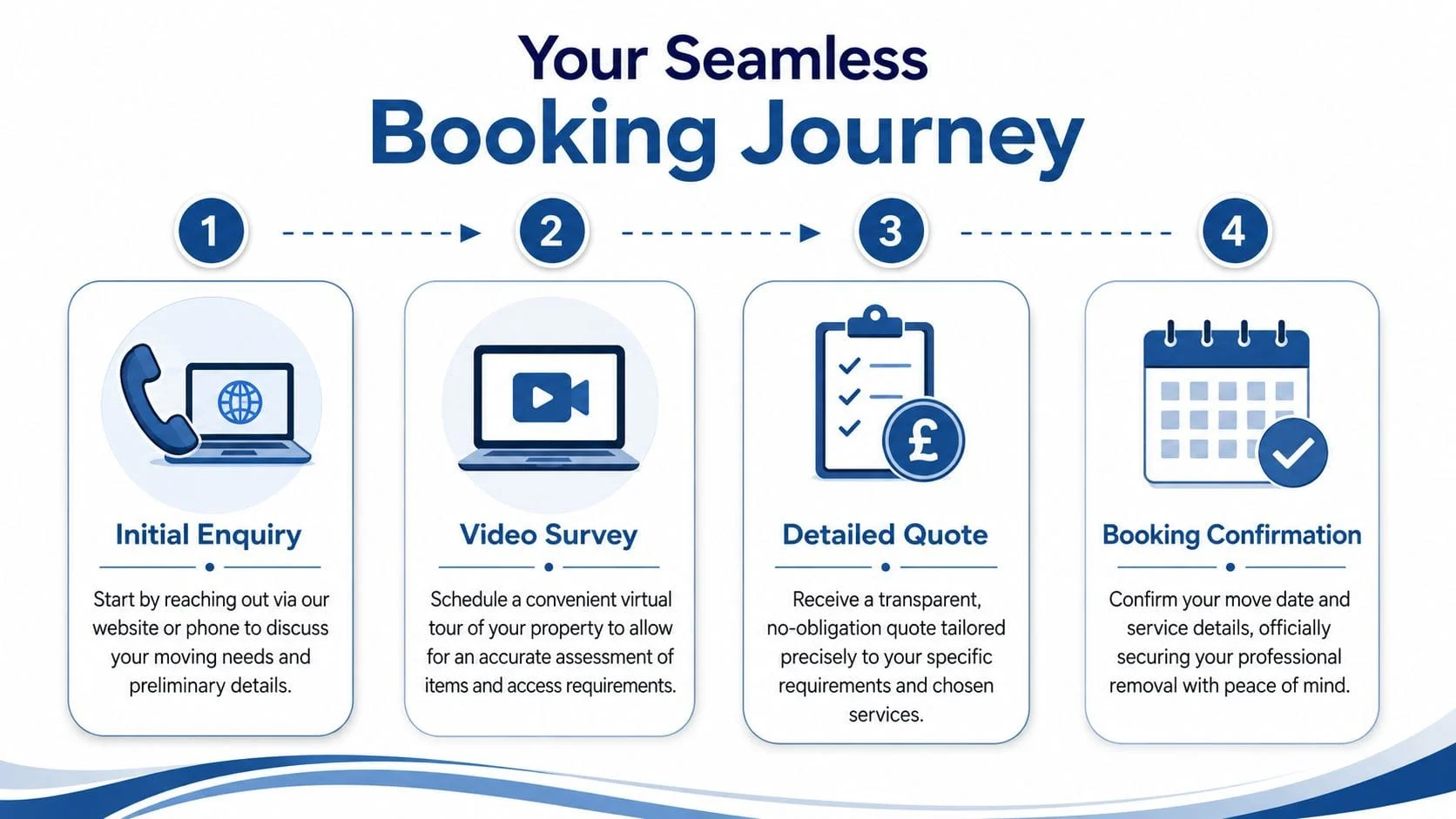
How to book your move from video survey to confirmation
Booking a move properly isn't complicated, but it does need clear information. For a full home move, a serious removals company shouldn't guess the job from a short phone call alone. The booking process works best when the inventory, access, and service level are all confirmed before the date is reserved.
Start with the enquiry
The first stage is simple. The mover needs the addresses, preferred date, property type, and a rough outline of what’s going. If there are known complications such as no lift, a booked completion time, or parking concerns outside the property, those details should be mentioned immediately.
For people comparing providers, this early conversation is often revealing. A careful company will ask practical questions. A vague one will usually move too quickly to a price.
Use a video survey or property walkthrough
A video survey is often the most practical option in London. The client walks through the property on a mobile device, showing each room, large items, access points, and anything that requires special handling. That gives the removals team a much clearer basis for quoting than a room count alone.
The survey should cover more than furniture. It should also include:
- Entrances and exits, including communal doors and garden access
- Stairs and lift arrangements, especially in mansion blocks and managed buildings
- Items needing dismantling, such as beds, tables or wardrobes
- Storage areas, including lofts, garages, cupboards and balconies
Best London Removals uses surveyed moves and written quotations for this reason: the details that affect the job usually lie in access and actual volume, rather than in the postcode itself.
Check the written confirmation carefully
Once the survey is complete, the next step should be a written quotation and booking confirmation. That paperwork needs to match the actual move. The date, addresses, services requested, and any agreed access arrangements should all appear clearly.
A client should check whether the quote reflects the move they described, not the move the company assumed. If a goods lift booking, concierge approval, or packing service is needed, it should be noted before the job is confirmed.
Planning for South West London's unique logistics
South West London moves are won or lost on logistics. Distance matters less than is commonly thought. Access determines whether the day runs according to plan or drifts into waiting time, longer carries, and unnecessary complications.
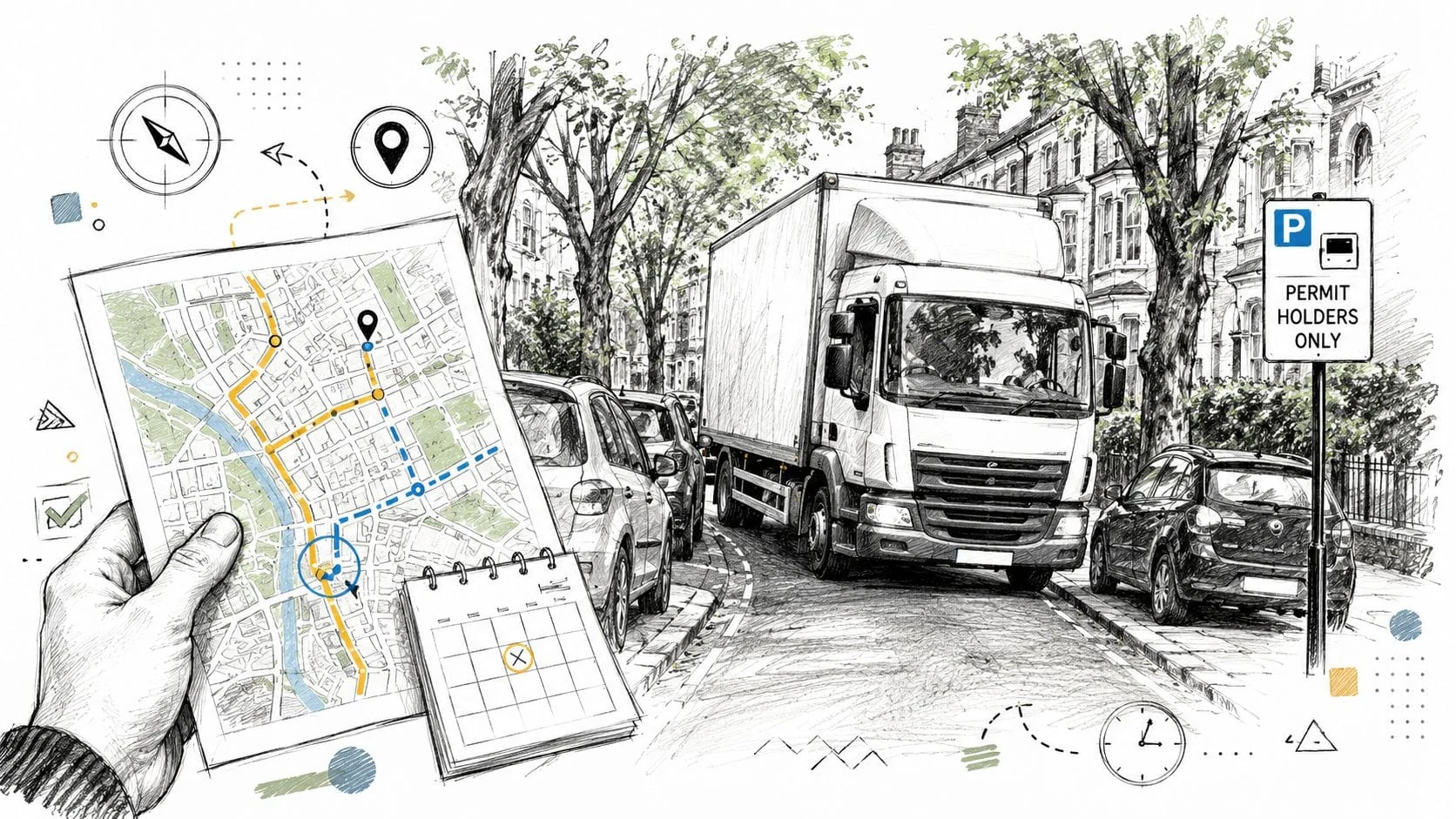
Controlled Parking Zones and suspended bays
Wandsworth, Lambeth, parts of Richmond, and streets around Clapham, Brixton and Battersea often require more than finding a space on the day. A removals van may need a legal loading position close to the entrance, especially where the job involves heavy furniture, multiple floors, or a managed time slot.
If the street is inside a Controlled Parking Zone, parking arrangements need to be checked early with the relevant council. In some roads, a suspended bay is the practical answer. In others, legal loading nearby may be enough.
Key points to verify before move day include:
- Whether the street is permit-controlled and during which hours
- Whether a bay suspension is needed for the van size involved
- How far is the entrance from legal parking
- Whether the destination building has its own loading rules
For practical local guidance on that point, parking suspension when moving house in London is worth checking before the booking is finalised.
Busy high streets and regulated roads
Moves near Clapham High Street, Brixton town centre, or busier stretches around Wandsworth and Battersea need tighter timing. Traffic flow, loading restrictions, and stopping limitations can affect when the crew can unload, even when the journey itself is short.
When the van can't stop directly outside and the carrying distance increases, loading and unloading time rises significantly.
This is why a realistic removals plan should include the exact stopping point, not just the destination postcode. A street-level shopfront conversion with a flat above it may be harder to service than a house on a quieter side road.
Mansion blocks and concierge-managed buildings
Older mansion blocks and newer developments create different forms of delay. In older buildings, the issue is often stairs, width restrictions, and long communal routes. In new-builds, the issue is often the rules. Goods lift reservations, concierge sign-in procedures, and strict move windows can all affect how the day is scheduled.
The practical answer is simple. Building management instructions should be collected before the van is booked, not chased the day before.
Packing services and handling your valued possessions
Packing is where a move either stays controlled or starts to unravel. Good packing doesn't mean using more materials than necessary. It means matching the method to the item, labelling clearly, and packing in a sequence that helps the crew load and unload properly.

Choosing the right level of packing helps
Not every client needs the same service. Some want a full packing service before the move. Others only need help with fragile items, pictures, mirrors, or kitchenware. Some prefer to pack themselves but still want proper materials and advice on how to safely prepare the contents.
Three common approaches are:
- Full packing service, where the team packs the whole property before move day or on the day itself
- Fragile-only packing, useful for glassware, ceramics, artwork and delicate household items
- Owner-packed moves, where the client packs and the removers handle loading, transport and unloading
What needs special handling
Some items need more than standard wrapping and boxing. Antiques, fine art, pianos, large mirrors, stone tops, and unusually shaped furniture all need the right handling method and, in some cases, additional equipment.
That doesn't always mean the item is impossible to move. It means the team needs to know about it in advance so the route, protection, and loading order can be planned properly.
Handling note: Valuable items should never appear as an afterthought on move day. If something is heavy, fragile, or awkward, it belongs in the survey.
What works and what doesn't
What works is early preparation, sensible labelling, and leaving access clear for the team. What doesn't work is overfilling boxes, mixing heavy books with fragile items, or leaving dismantling undiscussed before move day, when the crew is already on site and time is running.
A good packing plan also accounts for the first evening at the new property. Essentials such as chargers, medication, keys, documents, kettles, mugs, and bedding should stay easy to find rather than disappearing into the middle of the load.
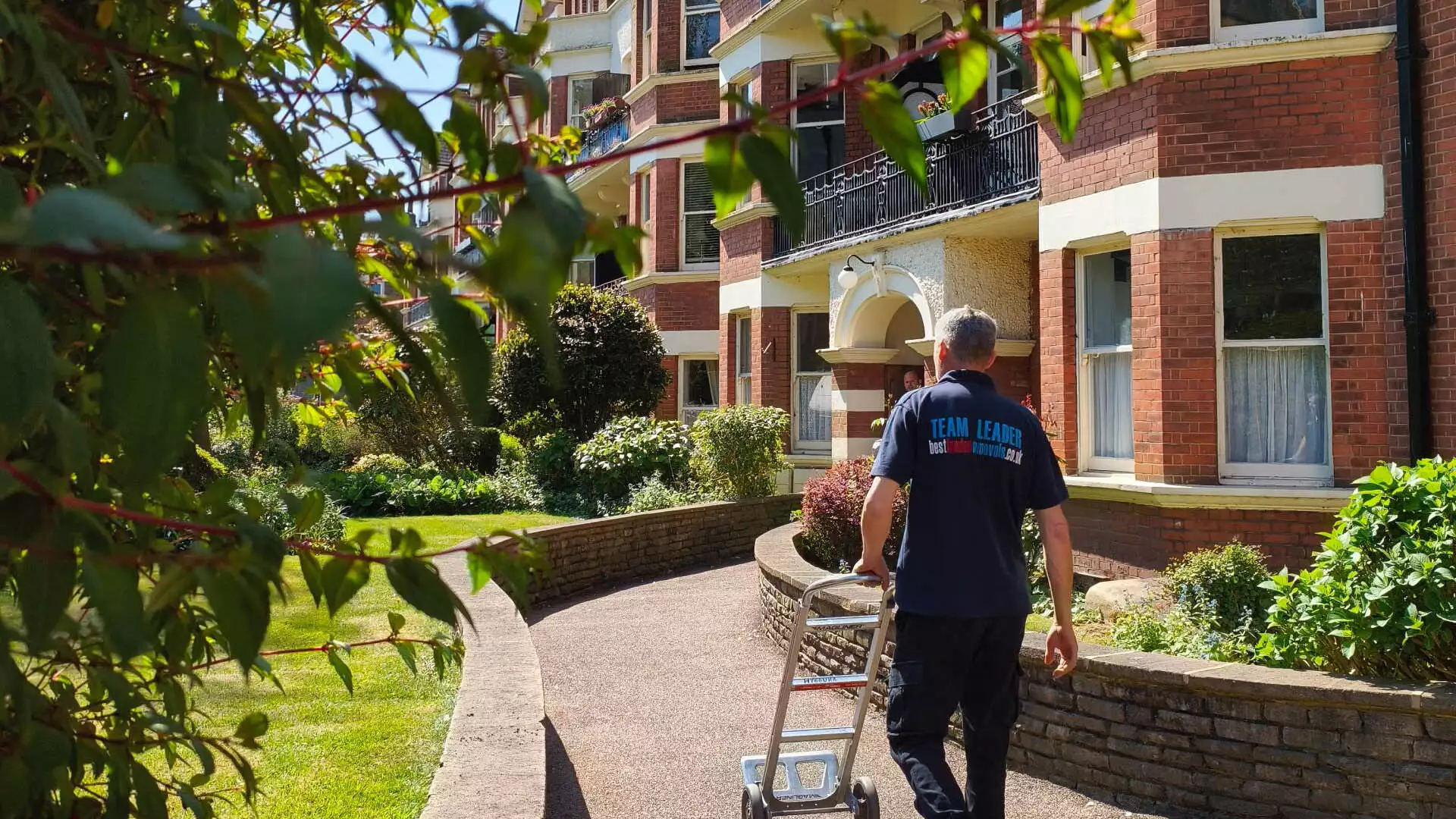
A well-organised South West London move usually comes down to two things: careful access planning and realistic preparation of the contents being moved. Best London Removals carries out home, flat, and office removals across all London boroughs, with surveys, fixed-price quotations, and access planning included as standard. Smaller jobs are available as man and van hourly bookings, where the team advises a realistic time estimate based on the scope of the work.
For anyone arranging a move in Wandsworth, Battersea, Clapham, Brixton, Streatham, Tooting, Wimbledon, Kingston or Richmond, Best London Removals provides surveyed removals, written quotations, packing support, and practical access planning for London properties.